GameSpotting Solid: Tactical Editorial Action
Welcome to the latest edition of GameSpotting, where the GameSpot editors are the only hope against a rogue group of genetically enhanced soldiers with designs on world domination.
Welcome to the latest edition of GameSpotting, where the GameSpot editors are the only hope against a rogue group of genetically enhanced soldiers with designs on world domination. As we crawl through ventilation ducts and try to avoid those pesky cameras, our minds keep on wandering--we keep on thinking about games. Sometimes it's about games that don't exist, sometimes it's about games that aren't out yet, but it's always games, all the time. So, hopefully we're on the right codec frequency, and all of this talk about games isn't going to waste. Feel free to discuss the situation at hand in our genetically enhanced forums, or report back with your own GuestSpotting column.
Justin Calvert/Associate Editor
"Grand Theft Auto meets Hitman meets Pokémon Snap meets The National Enquirer in Paparazzi: Celebrity Shooter--coming probably never to a console near you."
Greg Kasavin/Executive Editor
"I think there's something to be said for the episodic model that most television shows follow, and I see it as an untapped opportunity for game designers and publishers."
Bethany Massimilla/Community Manager
"The only ones who have a prayer of mastering every aspect of Dark Cloud 2 are bedridden with extended illnesses, and they also don't eat or sleep."
Brad Shoemaker/Associate Editor
"It wasn't all that challenging, no, but it was something else: It was fun."
Andrew Park/Senior Editor
"Fortunately, there are some very promising new games on the horizon that are coming out in the next few months."
Jason Ocampo/Associate Editor
"First off, I don't think PC gaming will ever die, and if I had a dollar for every time someone said that it would, I'd be a very wealthy man."
Bob Colayco/Associate Editor
"How many more years will pass until these Super Bowl pregame tournaments end up being televised on MTV or ESPN2?"
Michael Wood/GuestSpotter
"I've learned that unlike bad music, which can be turned down, bad voice acting can be really detrimental to the enjoyment of a game."
John Q. Gamer/GuestSpotter
For many of us, video games are more than just a hobby. They're a fundamental part of our lifestyles. If you've got something to say about games, gamers, or anything related to electronic entertainment, read our GuestSpotting FAQ, and submit your own column.
| Justin Calvert Associate Editor |
Previews of Games That Don't Exist #1
Since Paparazzi: Celebrity Shooter is a game that exists only in my own mind, it seems reasonable to assume that the following preview is a GameSpot exclusive. Development on the game is currently zero percent complete, and there has been absolutely no interest expressed by any of the publishers that I come into contact with on a daily basis. Being in the unique position to have spent a little time playing the game in my head, however, I am pleased to report that it's coming along nicely.
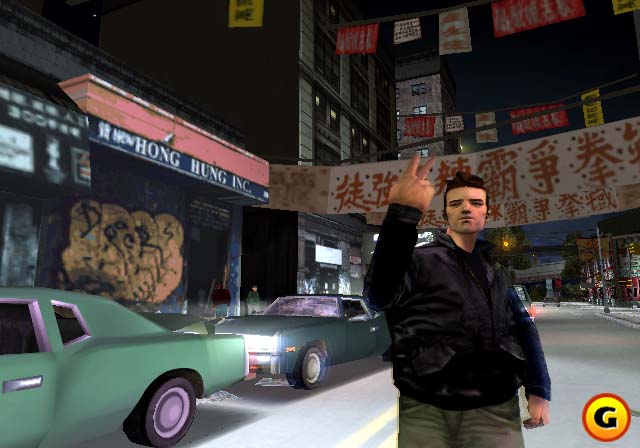
As the title suggests, Paparazzi: Celebrity Shooter sees you assuming the role of a photographer--a freelance celebrity photographer, to be precise. Working out of a small flat on the outskirts of the fictional city of Los Jollywood, your ongoing mission in the game is to make money by taking and subsequently selling photographs of the 500-plus celebrities who have made the city their home over the years. You'll begin the game armed only with an inferior camera and a secondhand moped, and with very few contacts in your pocket book, but as you progress you'll be able to purchase better equipment and receive leads from a variety of non-player characters including bums, taxi drivers, hotel workers, magazine editors, and the like.
The fact that you have only a poor-quality camera in the game won't actually affect the quality of the pictures you take with it; rather, it will mean that you're limited to taking only half a dozen shots in between trips back to your flat and that the camera will take up to 10 seconds to recharge between shots. The most expensive models of camera in the game will be able to store up to 48 photographs and will be able to take a number of shots in rapid succession when required--night vision will also be available in the later stages of the game, when the increasingly reclusive celebs have to be photographed in their own homes in the dead of night. When you start making some serious money you'll also be able to afford a new vehicle and a new apartment closer to the heart of the city, where the action is, thus cutting down on the time it takes you to return home in between jobs.
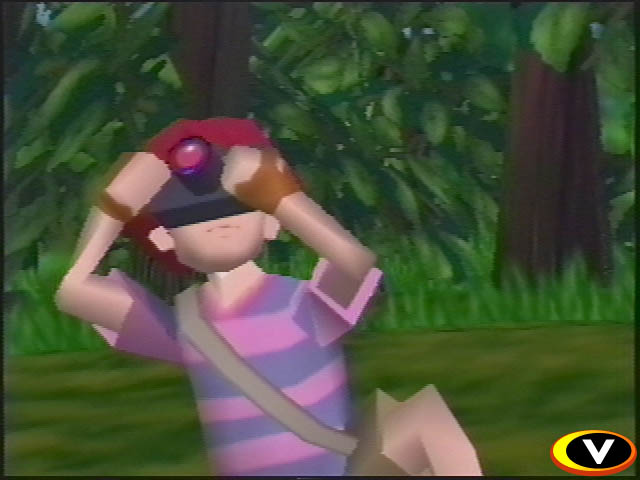
Although many of the gameplay specifics have yet to be finalized, the first "mission" in the game sees you receiving a tip-off from a bum who has made his home on a bench across the street from one of Los Jollywood's most exclusive nightspots. He tells you that he spotted a couple of B-list celebrities enter the club just a few moments ago--information that costs you a couple of dollars. Later in the game you'll have to pay non-player characters a lot more money in the form of a retainer to receive similar information, but the flip side is that the info from these people will reach you via your pager or cell phone rather than from a chance conversation with a guy drinking from a brown paper bag. Magazine editors, of course, will not be paid for such information, but they also won't pay you as much for a commissioned photo as they might for any of your freelance efforts.
When not attending an organized event such as a movie premiere with allocated spots for photographers, there will be a number of ways for you to approach your assignment. In the first mission, for example, you might decide to offer a generous tip to the bouncer at the nightclub door so that you're allowed to take your camera in. Alternatively, you might settle for waiting outside to snap the celebrities leaving together in the early hours of the morning (every hour in the game will take approximately two minutes to pass in real time). More adventurous players on this occasion might find a difficult-to-reach window through which to take their photos if they take the time to look around. All of the celebrities in the game will have a halo of varying brightness above their heads to denote their status.
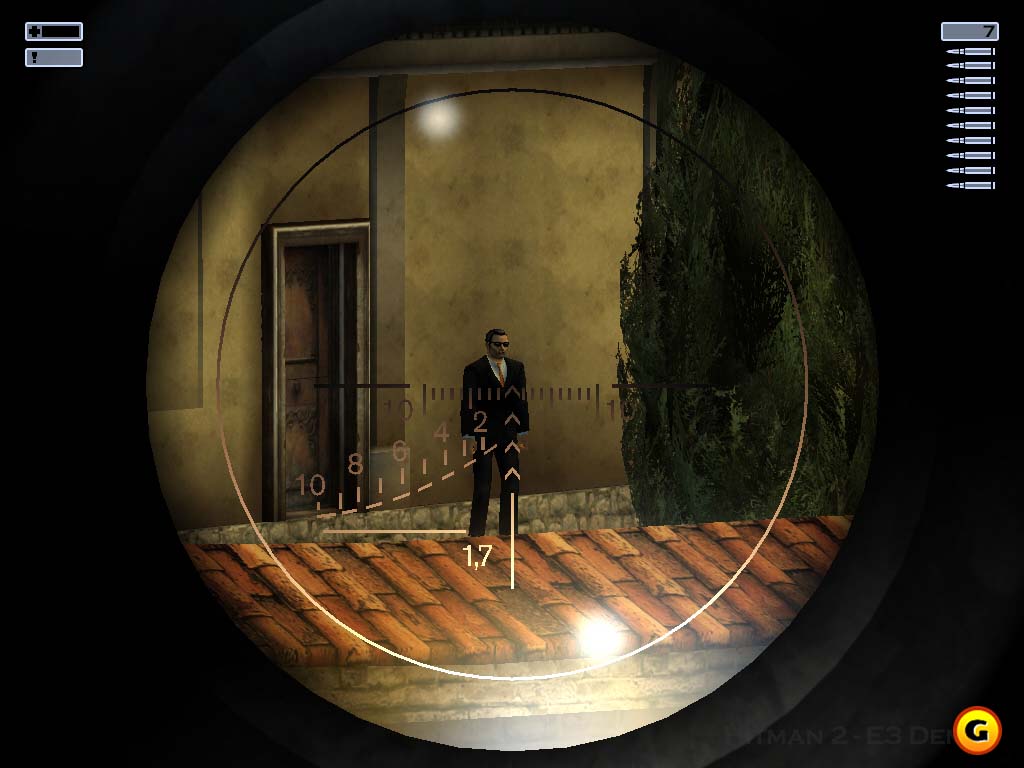
Any photos that you take in the game will be uploaded to your own Web site whenever you get home from a shoot. Their potential selling price will be determined by the current popularity of the celebrities pictured and also by what they're actually doing. A photo of two celebrities holding hands, for example, won't be worth as much as a snap of them kissing. By the same token, a photo of two celebrities having a heated argument will definitely be worth good money, but you'll end up kicking yourself if your cheap camera is still recharging itself after taking that shot when one of them throws a punch. Typically you'll have around two or three minutes of real time at each photo opportunity (depending on how quickly you get to the destination on your bike or in your car), and in that time you'll have plenty of opportunities to take unremarkable photos of the celebrities in question but perhaps only one chance to get a big money shot. The other dilemma constantly facing you will be deciding which celebrities to pursue when you have more than one lead. Occasionally, with a particularly good photo, you might be told that a particular publication is willing to pay way above the norm for the exclusive rights to use a photo, although if it's really that good you might be better off letting every magazine in the city use it for the standard price.
Paparazzi: Celebrity Shooter is currently a single-player game, although an online multiplayer component is under consideration. If it makes it into the final game, up to eight players will be roaming the streets of Los Jollywood simultaneously, with the game ending when one of their bank balances reaches an agreed figure. Other ideas currently being considered for inclusion in the game are celebrities wearing disguises that make their halos invisible unless you're very close to them, the ability to earn money photographing other newsworthy events such as crime scenes and road accidents, and a storyline twist toward the end of the game that will see you becoming so famous for your work that you yourself are considered to be a celebrity and are hounded by other members of the paparazzi accordingly.
Paparazzi: Celebrity Shooter is currently in development for no platforms and has a tentative release date of never. We'll bring you more information on the game as soon as it becomes available.
| Greg Kasavin Executive Editor |
Stay Tuned for Scenes From Our Next Episode
Games get compared to movies all the time, but no one bothers comparing them to television shows. That's understandable, because, like movies, games are one-off deals. If we're talking about single-player games here, you play through them and then you're done. Now you can wait a year or two for a sequel. But I think there's something to be said for the episodic model that most television shows follow, and I see it as an untapped opportunity for game designers and publishers. You can maybe think of a few cases in which such efforts have failed previously. But I'm not yet willing to dismiss the idea as a bad one.

The best example of an attempt at an episodic game is Electronic Arts' Majestic--an innovative effort that captured a lot of nongamers' attention but simply didn't follow through as a compelling enough product. Basically, when you became a Majestic player, you embroiled yourself in conspiracy theories and a seemingly elaborate plot. Most Majestic players would agree that the first few days of the experience were completely unique and enthralling. Then, the game quickly tapered off. Majestic was intended to keep players occupied for months, but it just didn't pan out. I don't think that's the fault of the concept so much as a shortcoming of the game design itself.
There are some other examples. There's a little-known computer role-playing game called Siege of Avalon, which was originally released in episodic form--the first episode was free, and everything. Unfortunately, I never played the game for myself, and it was maybe a bit ahead of its time, since 100 megabyte downloads were pretty hefty back in the year 2000. At any rate, it's probably the closest example of what I'm getting at in this article, and I don't think the game's relative obscurity suggests that the episodic model itself was the problem. As another example, Bandai's .hack series was split into four installments released in three-month intervals. This series has a dedicated following, but the problems in the execution are undeniable. Essentially, each installment is virtually the same game as the next one, and seeing as the very first .hack game was a highly repetitive experience, well...let's just say the series starts to get pretty old after a while.

Also, arguably, some massively multiplayer online role-playing games feature a sort of episodic structure. Asheron's Call routinely featured "world events" that would change the lay of the land somehow, encouraging players to stick with the game for the long haul. Meanwhile, BioWare's Neverwinter Nights was designed from the ground up to support expansion modules. Two retail expansions have already shipped and have generally met with acclaim. So, some game developers out there have been exploring these possibilities. I think they need to get together with some shrewd business people and come up with a new distribution model surrounding the whole concept.
Imagine your favorite first-person shooter, role-playing game, or action adventure game. Now imagine that game broken up into one- to two-hour sequences. Now imagine that the first part was free and subsequent parts were delivered to you automatically for five bucks a pop, each month. Would you take the bait?
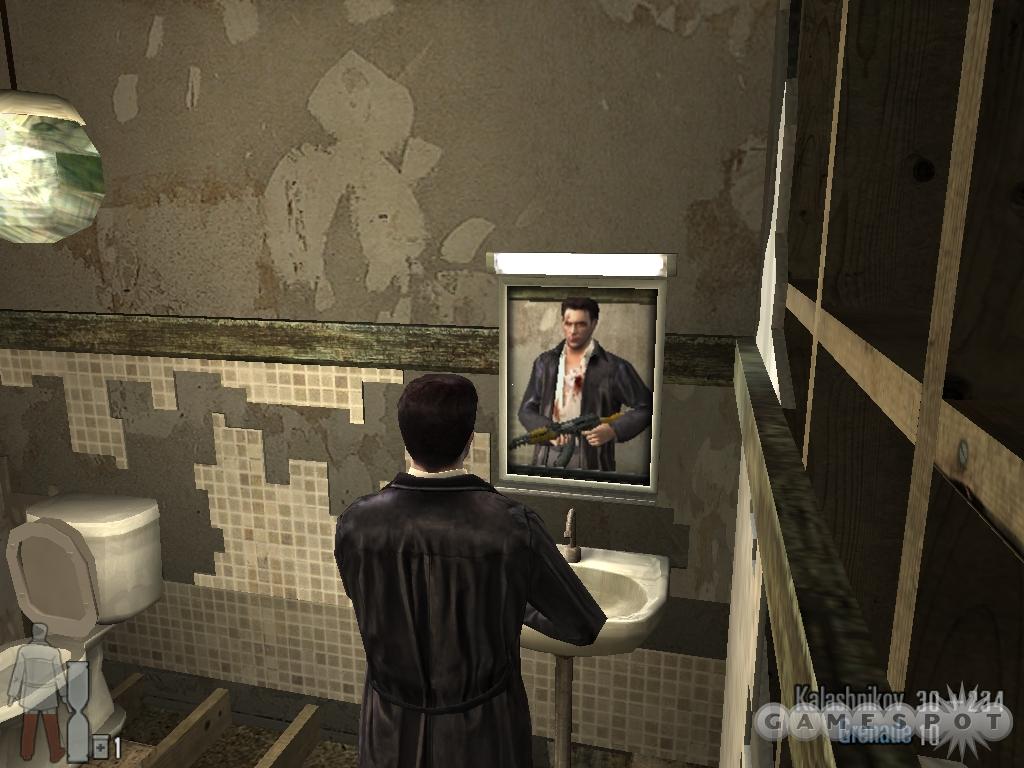
I would. Take the game Max Payne, or its sequel. Those games are already broken up into discrete parts. People like to complain that both Max Paynes are too short. I suppose they are, but only if you compare them to other games. The average nongamer would tell you that sitting in front of a screen for one or two hours is a good, long time. Meanwhile, I think the main reason Max Payne and its sequel seem so short is that they present captivating storylines and entertaining action, which collectively compel you to play through these games as quickly as you can.
If a game is fundamentally enjoyable--it plays well and has an interesting premise or characters or situations--then people would be more than willing to have their exposure to it rationed over time. I recently played through Metroid: Zero Mission for the Game Boy Advance, casually in an afternoon. It's a cool game, but the depressing thought then occurred to me that it's going to be months or years until the next one is released. The game is quite short and recycles most of the same assets and gameplay as its predecessors--it uses a tried-and-true formula, that is. So, why shouldn't Nintendo turn the adventures of Samus Aran into an ongoing saga, with new installments released every few months rather than years apart? I, for one, would be thrilled.
Here's the catch: These episodes shouldn't cost as much as "normal" games. One problem that's going to limit the expansion of games into the mainstream is that they're rather unaffordable at $50 a pop. If you split a good $50 game into a dozen $5 episodes, you end up making more money in the long run anyway--assuming you retain an audience over time, which admittedly is a questionable assumption. Still, who would say no to paying $5 or so for a great, neatly self-contained two hours' worth of entertaining gameplay and story?
Microsoft is playing Pin the Tail on the Donkey with this stuff right now with its pay-per-download Xbox Live content, so you know that's one company that's at least still experimenting. But I genuinely think that games could take the old television model of being packaged in neatly self-contained episodes with cliff-hanger endings that encourage audiences to come back for the next go-round. That way, we can all stop obsessing about how short games are, because there's no expectation that they're going to be these massive marathons in the first place. Game designers can instead focus on quality without worrying about having to pad these episodes out, and the law of economics dictates that the lower price point of such episodes would naturally encourage a larger audience.
Gamers are growing older. We don't all have time to spend eight or 10 hours at a time playing Final Fantasy. We also don't all have time to play games every single day. Sometimes we go back to a game we were playing and don't even remember what the heck we were doing. Sometimes we spend $50 on a game, never get all the way through it, and then wish we hadn't wasted our money. I think there are a lot of people out there who want to be gamers but don't want to make the commitment of living the "gamer lifestyle" of having their entire existence revolve around their hobby. And, as you've just read, I can think of at least one reasonable-sounding solution for people like that.
| Bethany Massimilla Community Manager |
You Win, Level 5
With all the good and great releases that populate gaming, it's easy to fall behind. I'm one of those people who accumulate games and then end up neglecting a few, creating one of the most onerous curses of the hobby: the gaming backlog. Every so often I find myself with a chance to whittle away at the pile, and I recently went back to a little game called Dark Cloud 2 (which, incidentally, was GameSpot's PlayStation 2 Game of the Year last year) with the firm intention of completing it. I imagined that I had a pretty good idea of what I was in for, derived from my previous experience with the game, and I of course had my unwavering resolve. No game gets the better of me, once I've decided to finish it. No way. I had Dark Cloud 2's number, and that number was up!
Fifty gameplay hours later, I was humbled and broken. It's simply not possible for the human mind to fully comprehend the behemoth of content that this game somehow contains. Dark Cloud 2 isn't the kind of RPG you can power through without distraction, leaving side quests and extras behind for that second swing you promise yourself you will eventually give it. The basic premise is that you've got to reconstruct the present--much of which has been erased by a very unhappy fellow--in order to restore the future. You do that by collecting artifacts called geostones from dungeons and using the templates they provide to place buildings, people, and items until a given area is complete.
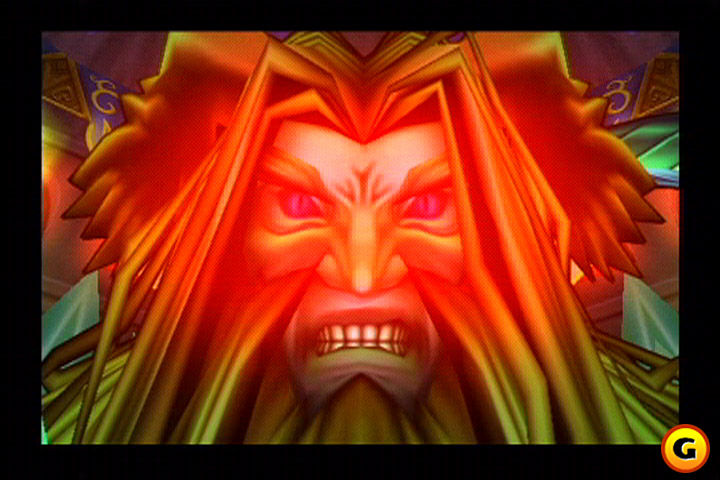
That's the gist of things, but the Dark Cloud 2 experience cannot be condensed into a single, linear path that allows you to bulldoze through the game. I discovered this the hard way as I fought mightily to burn my way past all the dungeons to my goal. For one thing, each of the two playable characters (Max and Monica) has a melee and ranged weapon that can be regularly upgraded with use. I tried to make this as straightforward as possible, but with 10 attributes to separately level and branching upgrade paths, I found myself unable to resist spending inordinate amounts of time tweaking my weaponry until it was satisfyingly scary. That's one thing, but Max also has a ridepod, a machine that's equal parts vehicle and battle robot, whose parts can be upgraded by means of inventions. You make inventions by taking pictures of just about every single thing in the world around you and mixing ideas to create something new. I ended up compulsively taking pictures of everything I came across, to add to what became an insane album of shop signs and bottles and refrigerators and pumpkins and fireplaces and flowers and stuff that you shouldn't be able to use in inventions, like the sun.
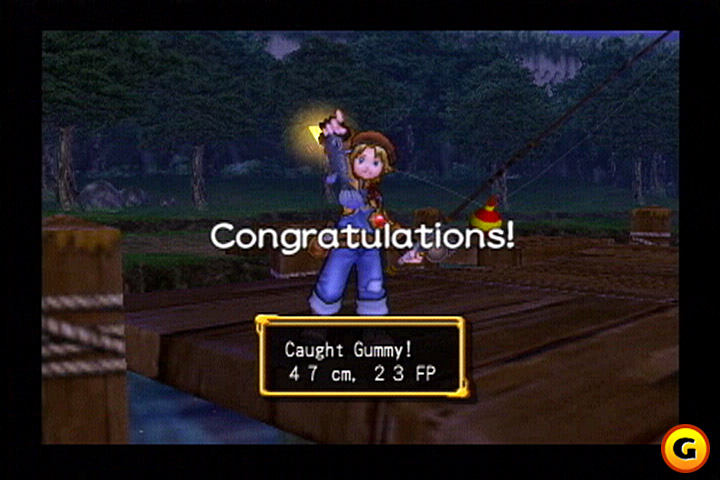
I was both fascinated by and inextricably drawn to the game's minutiae like this, and the time seemed to fly by. The extras seemed overwhelming at the beginning, but in periods where I was tired of slogging through dungeons I'd try everything. Everything from grabbing missed pictures, to playing the golflike spheda, to tackling the numerous varied side quests necessary to recruit people from town, to fishing, to keeping those fish in an aquarium, to weighing fish at a fishing contest, to racing those fish for fabulous prizes. It's insane to think that an RPG can have enough fish-related events to make another game, but Dark Cloud 2 comes close. I almost became lost in its world of better fishing rods and the most succulent, appealing baits.
Still, all games must have an end, and I was determined to reach that end, so I made it to Chapter 7 and resoundingly defeated its bosses in what was nearly a full Sunday spent playing. I felt both fulfilled and a little sad as the credits rolled by, knowing that even after all the events I'd explored and things I'd done, I'd only really scratched the surface of what was offered to me. That feeling lasted up until the end of the credits, when the game asked me to make a save for Chapter 8. That's right--Dark Cloud 2 continues even after the main narrative has ended. I unbelievingly created the save file and loaded it up just to see, and when I entered that chapter's dungeon and found something like a bazillion rooms, I finally dropped my controller from nerveless fingers in defeat. Fifty-plus hours, and I wasn't done. I wasn't even close to done.
I have an entirely new level of respect for the developer, Level 5, a respect that is a mix of admiration for its excellent work and fear for the collective sanity of a group that could create a game that's so insidiously deep. The only ones who have a prayer of mastering every aspect of Dark Cloud 2 are bedridden with extended illnesses, and they also don't eat or sleep. I've been playing games for a very long time, and never before have I felt both so satisfied with and utterly demoralized by a game as I have with this one. I know I'll eventually finish that last chapter and go on my merry way, but the memory of that long Sunday, my foolish confidence, and my subsequent defeat will always remain. You win, Level 5. Dark Cloud 2 -- 1, Bethany -- 0.
| Brad Shoemaker Associate Editor |
The Easy Road
Last week I reviewed R-Type Final. I'll wait for you to read it.
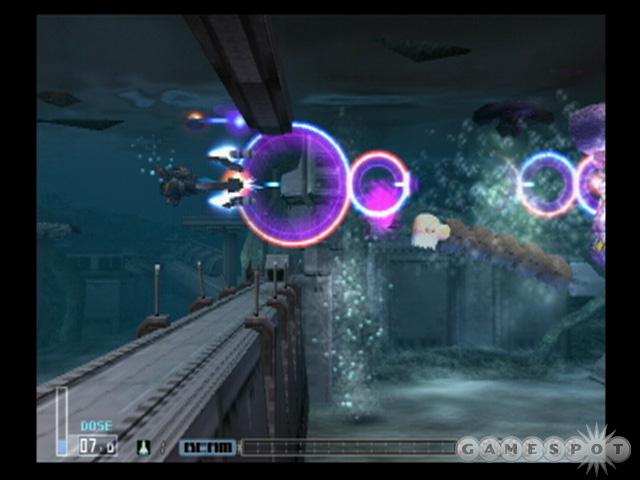
Finished? Good. Look at the part toward the end where I talk about the difficulty of the game, specifically: "[R-Type] Final is hard on normal and above difficulty settings. We're talking about 'throw your controller while swearing loudly' hard." I'm sure many of you have in fact sworn loudly and/or thrown your controller across the room, as I have, when a really tough game was mastering you. These days I'd like to think I'm mature enough not to literally throw anything when I'm up against a game that I just can't beat, but that doesn't make a horribly difficult part any less vexing. In this line of work, when your time is limited and you're trying to beat a game on a deadline, it can be downright stressful.
I've been persistent, for the most part, in trying to brute-force my way through tough games without resorting to using cheats or other compromises. This is the result of a gaming ethic that I've stuck to that states something like: Playing a game on less than the default or medium difficulty is not enjoying it as the developer intended. It's kind of like the argument between watching widescreen and cropped ("pan and scan") films at home. You wouldn't want to chop off a significant portion of the movie screen; why would you want to lose a significant portion of a game's challenge?
Well, halfway through my fourth day of trying desperately to reach the end of R-Type Final, I had a conversation with a friend about the game and how hard it is. This wasn't unexpected, of course, since R-Type has always been about making you memorize attack patterns and play through the same level 10 times to get it right. All the same, my friend (who also works in the game industry) commented to me that these days, he always plays games on the easy mode. His reasoning was that playing a game on easy isn't shortchanging yourself at all. Quite the opposite if you're short on time, since you can blow through a game in a much shorter period and still enjoy the visuals and gameplay. If you're on a tight schedule and you have a choice between playing the first three levels over and over (and being frustrated all to hell doing it) or seeing the entire game without expending so much effort, which would you choose? I think the choice is easy, and I conceded as much.
With that advice in mind, I took Final home that night and tried it on the "baby" difficulty setting...and finished the whole thing in an hour. And you know what? I think I had more fun in that hour than I did during all the hours I played the game in the several days previous, when I'd been gritting my teeth through continue after continue, inching my way along slowly toward the final boss. It wasn't all that challenging, no, but it was something else that's maybe more important: relaxing. Best of all, it was fun, and I think you fine people will agree when I say that having fun, after all, is the point.
So to sum up: Yes, it's OK to play games on easy mode; no, you're not less of a gamer or wussing out if you do; yes, it's a great way to save time if you don't have much time for playing games; and no, you won't diminish your enjoyment of the game if it takes you a tenth as long to finish it. I'm not saying I'm going to be playing every game on easy mode by default (especially the ones I'm reviewing)--I'm still reevaluating my own position on the matter. I think a good compromise is to give it a trial run on the normal difficulty, and if that proves too much, then try again on a lesser setting.
As I write this on a Tuesday afternoon, I can already foresee the chaotic state of my inbox next Monday morning after a bunch of you 'core gaming grognards flood me with hate mail. But I say gaming should be a train that everybody can ride. Live and let live, would ya?
| Andrew Park Senior Editor |
What's Left
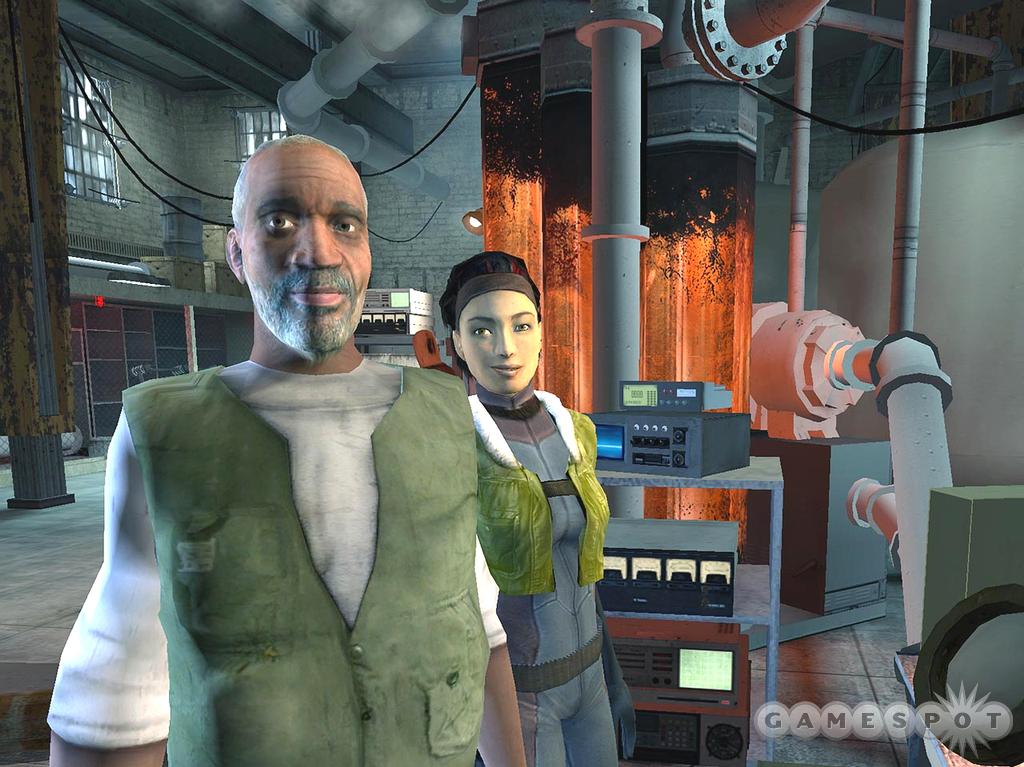
It's not secret. Some very promising PC games have recently been delayed. Half-Life 2 is the most obvious one--there still isn't a hard release date available for it. Medal of Honor: Pacific Assault and The Sims 2 were also delayed, and Doom 3's release date remains a nebulous "2004." As such, it would appear that we're up a certain creek without a paddle. Fortunately, there are some very promising new games on the horizon that are coming out in the next few months.
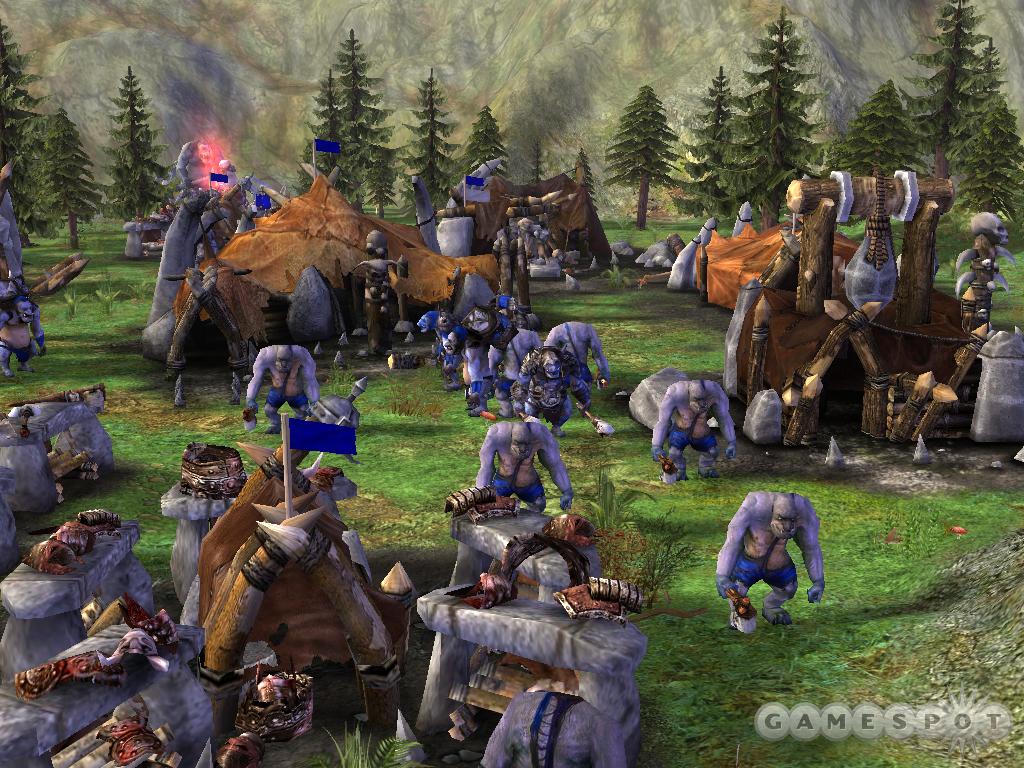
SpellForce
This visually impressive real-time strategy game features heavy role-playing elements and lets you control multiple fantasy kingdoms at once. It even has a semipersistent world in which your kingdoms continue to grow and develop without your having to constantly go back and micromanage them. In the meantime, you'll have a primary character who advances like a role-playing-game character, plus a retinue of heroes and colorful fantasy monsters to help you complete quests. This unusual hybrid game will be out in early February, in just a week or two.
Battlefield Vietnam
If you're a regular reader of GameSpot, this game probably needs no introduction. It's a team-based first-person shooter that will take place during the Vietnam War--and it's the successor to the excellent team-based shooter Battlefield 1942. The previous game was based mostly on vehicles--if you were on foot, and the other guy was in a tank, you were out of luck. Battlefield Vietnam will have much tighter levels where infantry action is a lot more important, and it will also let you airlift other vehicles using attack choppers. It will also have Jefferson Airplane. If you don't know what that is, let's just say it's a good thing and leave it at that. We should be playing this one in mid-March.
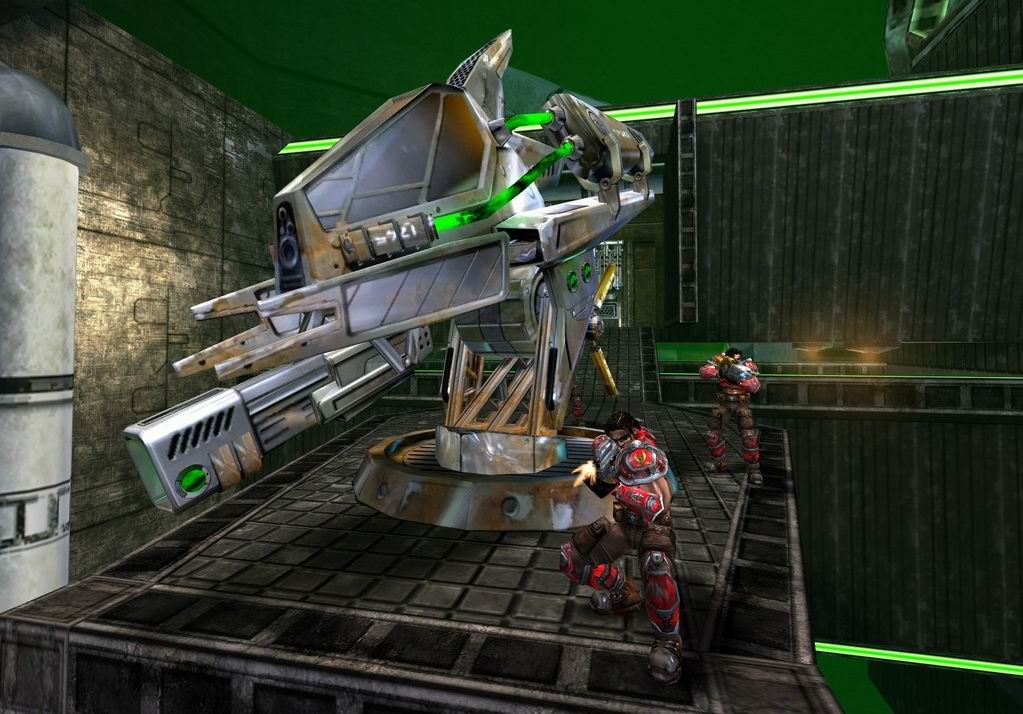
Unreal Tournament 2004
You were just playing Unreal Tournament 2003 two years ago, but 2004 will have the full game, plus all the additional updates released since then (including the map packs), plus some brand-new game modes, featuring the return of the mission-based assault mode and the inclusion of the all-new onslaught mode, which is vaguely reminiscent of Battlefield 1942. No, it's not a hardcore military game, and it's not supposed to be, but it will ship with improved modification tools and extra mapmaking content in case you or your friends want to make a hardcore military mod. We should hopefully be playing this one in March.
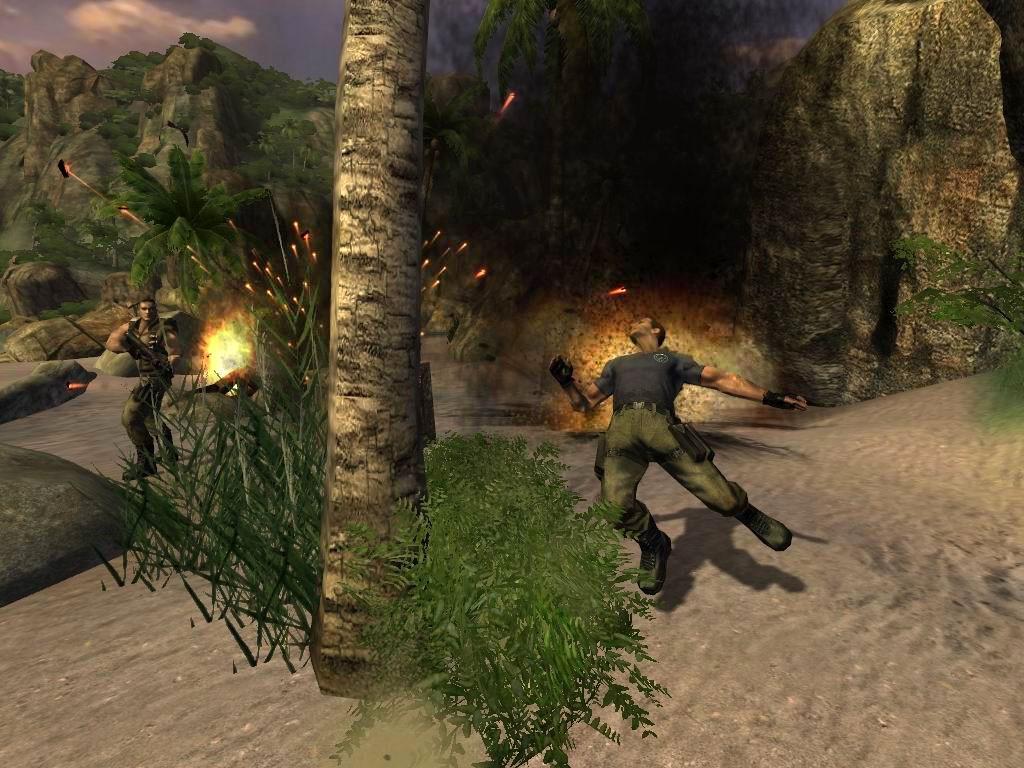
Far Cry
It has some extremely impressive outdoor areas, including beautiful water, huge tropical environments, and a draw distance of a kilometer (rendered in real time). That's a lot of fancy-sounding mumbo jumbo, but in plain English, Far Cry is a very nice-looking game with a whole bunch of graphical bells and whistles, plus a challenging single-player game, along with multiplayer. However, Far Cry also has an extremely powerful level editor that, if it receives enough support from its fan community, could give the game very long legs indeed. We'll be playing this one in March, too.
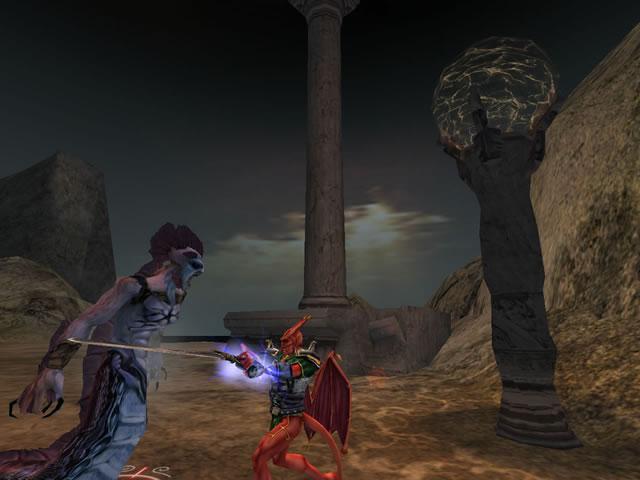
Ultima X: Odyssey
The next game in the Ultima series will be a colorful online RPG that will "[focus] on fun gameplay, reducing downtime, and removing tedium." Though you can't play as the Avatar, the virtuous hero of the Ultima series, and you won't be in Brittania, you will follow the example set forth by the Avatar and attempt to embody the Ultima series' virtues of courage and honor. And according to the developers, you'll also be able to kill stuff real fast--as they put it, the game will focus on interesting quests and strategic combat, rather than waiting to recover from your wounds, waiting for your friends to sign on, waiting to join a group, and so on. The game should launch in April.
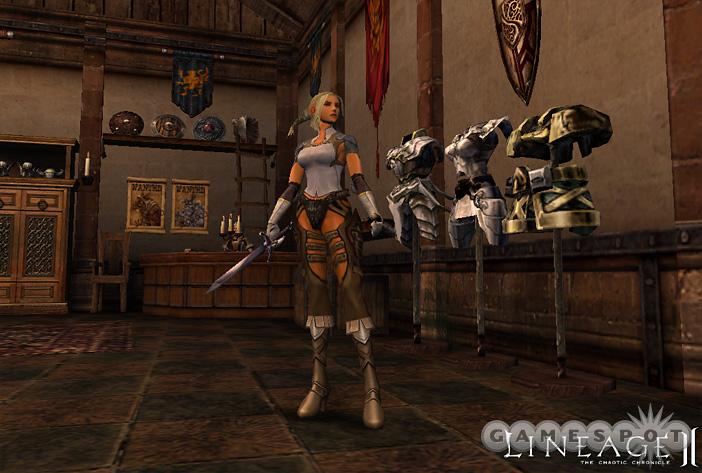
Lineage II
NCsoft's Lineage II will be the sequel to what is reported to be the most successful online RPG of all time. Yes, Lineage II has pretty graphics, but it also has a political structure that will let you join a clan of players, build strongholds, and struggle for land. Lineage II has actually been available for play in Asia and already has several thousand players, so hopefully when the game launches in North America, it will have plenty of working content--lots of stuff to do, monsters to fight, quests to perform, and so on--like last year's Final Fantasy XI, which also had a surprisingly successful North American launch after having launched in Asia several months prior.
These are just a few of the exciting upcoming PC games we can look forward to in the near future, to say nothing of Soldner: Secret Wars, City of Heroes, Painkiller, Beyond Divinity, Joint Operations, and many more--all games that are worth checking out. Like you, I also can't wait to get my hands on Half-Life 2 and Doom 3, but fortunately, we've got plenty to keep us busy in the meantime.
| Jason Ocampo Associate Editor |
PC Gaming Will Never Die
Where to begin? I got some interesting feedback from readers about last week's column, "Where Have All the PC Games Gone?", including a call from Microsoft. First off, I don't think PC gaming will ever die, and if I had a dollar for every time someone said that it would, I'd be a very wealthy man. My concern is more about the richness and diversity of PC gaming taking a hit in these lean times. That said, with more than 1,200 votes cast in our totally nonscientific poll, 60 percent of respondents said they were worried about PC gaming, while 40 percent said they weren't. Clearly, people are concerned about something. I received e-mails like the following: "I've been playing PC games for 15 years, and I've heard the 'PC gaming is dead' cry before...but I've never seen anything like what's happening now. I'm just appalled at how rapidly the PC game market is drying up."
Some readers wrote that it's bugs that are killing PC gaming. One reader mentioned that he wants to come home after a long day at work and enjoy playing a game, not figuring out why it constantly crashes. Bugs remain a huge problem, and it doesn't help when publishers churn out broken games. I can understand the financial pressures that force a game to come out early, but publishers need to realize that their short-term gain is at their long-term expense; consumers get burned and remember.
Other readers defended the PC, pointing out the technological advantages that it has over consoles. Not only is the PC more powerful, but it's completely upgradable. And the PC will leap over the next generation of consoles as quickly as it did the last. The PC remains an ever-evolving platform with an open architecture, and it is the test bed for hardware innovation. Is it any wonder that the next-generation Nintendo and Microsoft consoles are going to use ATI graphics technology developed for the PC?
Of course, there's a downside to all this hardware complexity: consumer confusion. Not only are there a staggering number of hardware choices out there, but consumers don't understand why they have to download the latest patch, hardware drivers, and version of DirectX before their game will run properly. Meanwhile, system requirements are wildly optimistic most of the time. One reader wrote of his frustration with buying a GeForce4 MX card to play Deus Ex II, only to discover that it can barely play the game, despite the fact that the box clearly states support for the GeForce4 family of chips.
There's a lot that companies can do to improve the situation. First off, they need to ship games that work on arrival. It's understandable if a minor bug slips in, but for a game to arrive totally broken or bug-infested is unacceptable. Also, publishers should be more realistic in terms of system requirements. It's understandable that they want to keep requirements as low as possible to appeal to as broad a customer base as possible, but expectations and performance should be kept at a realistic level.
Finally, a Microsoft spokesperson called to chide me a bit. After all, Activision's Call of Duty sold wonderfully for the PC last year, as did The Sims and other major titles. And the user base for the PC remains in the tens of millions and growing. He also reminded me that the Windows XP Game Analyzer is meant for mainstream computer users interested in getting into PC gaming; hardcore PC gamers already know what games their systems can play. That said, he did admit that Microsoft recognizes the need to invest more into Windows as a gaming platform and is doing so. And one interesting tidbit he did drop is that the first plug-and-play PC game should be released this summer. By plug and play, that means it'll work like a console game; just drop it into your PC and it will automatically start up with no installation. That's a huge step toward consolelike functionality for Windows. And, ironically, it's emulating consoles in this respect that will help ensure that PC gaming evolves and survives.
| Bob Colayco Associate Editor |
When the Games Overshadow THE Game
Last week, the New England Patriots won an exciting Super Bowl match against the Carolina Panthers, for their second title in three years. Every year, the event becomes more and more of a spectacle, with peripheral elements taking center stage over the game itself. A lot of people actually tune in to the game just to see new commercials from corporate America. This year, much of the postgame discussion has centered around the MTV-produced halftime show, specifically Janet Jackson's taste in...uh, jewelry. FCC investigations aside, what I find particularly interesting about the peripheral events of the Super Bowl is the increasing amount of attention placed on video-game-related events.
989 Sports, for instance, got quite a bit of publicity over its 9th annual "Game Before the Game" tournament, which features one player from each Super Bowl team challenging each other in an NFL GameDay match. For eight straight years, the winner of this particular video game competition has gone on to victory in the actual Super Bowl game. Unfortunately for the Carolina Panthers and their fans, the streak ended this year. Steve Smith's triumph over the Pats' Troy Brown didn't translate into a win on the field in the real Super Bowl.
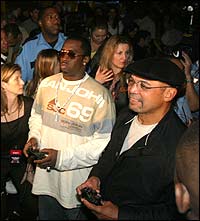
EA Sports also rakes in quite a bit of attention with its annual "Madden Bowl." The 2004 Madden Bowl seems to be a lot bigger than 989's celebration. It involves a full tournament with several prominent NFL stars, including Green Bay's Ahman Green, Carolina's Julius Peppers, Kansas City's Dante Hall, and Indianapolis' Dwight Freeney, who went on to win the tournament for the second straight year. Although Madden Bowl started in 1995 as a small event with just 16 players, about a decade later it has grown into one of the biggest pregame events, with a star-studded list of attendees that include pop stars like P. Diddy, along with NFL stars from the past, present, and future.
How many more years will pass until these Super Bowl pregame tournaments end up being televised on MTV or ESPN2? Personally, I'd love to tune in and see NFL players butting heads in the virtual world of Madden.
| Michael Wood GuestSpotter |
Stop Ruining My Tender Moments
We can relate to having music from video games subliminally burned into our minds. My father can hum the main theme from Super Mario Bros., just from hearing it while walking past my room. He has never played the game. I put my 12 years of classical piano training to good use and have learned many Final Fantasy tunes like "Terra's Theme" and even played them in church. (Don't tell anyone.) However, with great power comes great possibility (and responsibility for all you Spider-Man fans). I'm talking about the voices of our beloved video game characters. I've learned that unlike bad music, which can be turned down, bad voice acting can be really detrimental to the enjoyment of a game. How are you going to hear key plot points in your shiny new RPG? It wasn't until recently that I really pondered how much bad voice acting affects my game playing.
Everyone remembers the first time they popped in Resident Evil, only to have their ears assaulted by a melee of horrible voice acting. "The master of unlocking" didn't bother me too much, because Resident Evil was a horror game. Terrible acting and horror movies go hand in hand, so it's almost natural. My hate affair started when I started buying anime, and a lot of the anime I bought had insanely bad voice acting. "Anime is expensive," I thought. "They should do better than this." And video games are no less pricey.
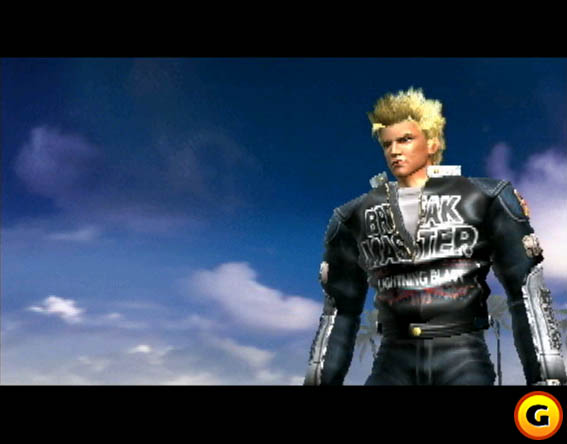
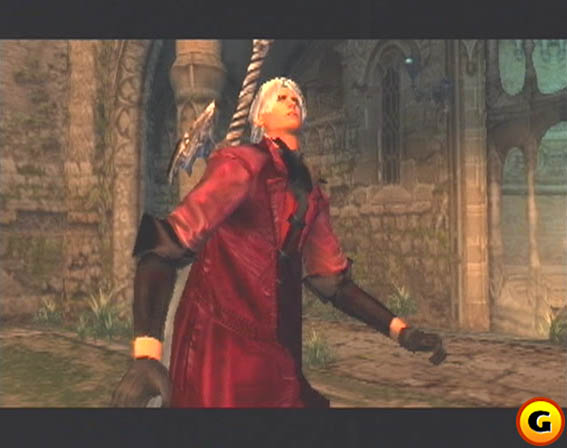
Having five days off for my fall break, I borrowed Arc the Lad: Twilight of the Spirits from a friend. It wasn't long before I realized that all the great moments in the game were ruined by shaky voice acting. I usually finish all the RPGs I start, since I can't leave the story unresolved--I'm a freak. But I couldn't finish this one, because I just didn't care about the story anymore. Every time a character moved on the battlefield in Arc the Lad, the character would spout some hideous-sounding nonsense, which would be repeated hundreds of times as I played. Grandia I and II are guilty of poor voice acting as well. For the most part, the dialogue in these games comes across as text, yet when a really important or emotional scene occurs, they switch to a high school drama rendition of smacking down the big bad meanie and thus saving the world, or discovering you have a long-lost brother who is half man, half dragon. Argh! The part in Devil May Cry when Dante says, "Flock off, feather face!" to a giant lightning-spouting bird that's threatening his life should have been a really cool sequence. Instead, it had me rolling on the floor. Once again, one of my favorite games is hampered by a shoddy translation and shoddy voice acting. Even Final Fantasy X lacked superb voice acting, and this from a company that has the best production values in the business.
So here's a proposition to developers. Give us voice work worth listening to, or give us a Japanese language option. Or, if the game is in English, how about some subtitles? I tried playing Shinobi with the English voice acting, which lasted all of two minutes before I reset, switched it to Japanese, and never looked back. That game had awesome cutscenes integral to the story that could have been ruined by the voice work. I heard this feature was not going to be implemented in the upcoming Nightshade. I hope it's not true.
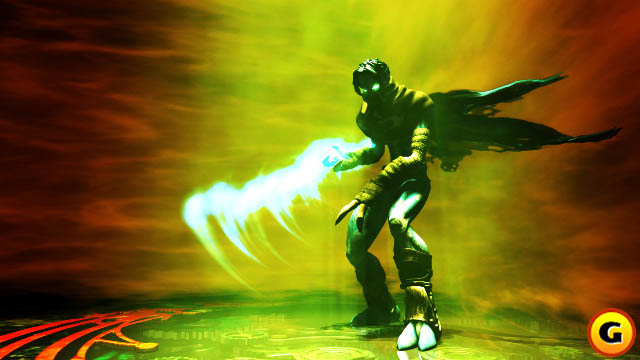
Thankfully, there are some developers out there that really care, like the folks at Crystal Dynamics responsible for the Soul Reaver and Legacy of Kain games. While these games aren't known for their revolutionary gameplay or stunning graphics, they have featured consistently awesome voice acting. I still vividly remember Soul Reaver 2, almost entirely because all the game's characters sounded supercool. Raziel's suffering was portrayed so well, that I really felt sorry for the guy. And unlike in Final Fantasy X, Square did a great job with Kingdom Hearts and really went the extra mile, enlisting actors like that kid that sees dead people in The Sixth Sense for its main character. They even got Mandy Moore to voice a character. I didn't flinch at the voice acting once, hallelujah! The voice acting in a game is not the most important component, not by a long shot, but it can have serious sway over the experience. Resident Evil came out six years ago, and still it's remembered for its terrible voice acting.
Got a news tip or want to contact us directly? Email news@gamespot.com
Join the conversation