The Lord of the Rings, The Third Age Update
We take a closer look at Electronic Arts' upcoming RPG based on Peter Jackson's film trilogy.
The Lord of the Rings, The Third Age is the latest installment in Electronic Arts' series of games based on Peter Jackson's most excellent film adaptation of JRR Tolkien's classic books. The game is slated to offer a deeper overall experience from its action-oriented predecessors, The Two Towers and The Return of the King, thanks to its use of a traditional RPG structure. We recently had the chance to check out the game to get a better idea of what to expect from this original title, which will encompass the action from all three films.
The main narrative in The Third Age will run parallel to the events from the films and will follow a party of six original characters. The cast will include archetypes who hail from across Middle-earth, much like the Fellowship we all know and love. Among the members of your party will be Berethor, a Gondorian citadel guard; Hadhod, a dwarf; Elegost a Dunedain ranger; and Idrial, an elf from Lothlorien. This group will set out on its own adventure across Middle-earth during the timeline in which the films take place. Your quest will weave in and out of the main tale told in the movies, which will result in your crossing paths with members of the Fellowship. In fact, in some cases, you may even fight alongside them.
The gameplay in The Third Age will follow the basic template of most modern RPGs, such as Final Fantasy X, in that it will mix exploration, character interaction, turn-based combat, and party development. But while the game's systems stick to many of the meat-and-potatoes basics you'd want from an RPG, the game puts its own unique spin on things. Combat will follow a basic turn-based structure that will let you plan out your attacks at your leisure. You'll have to keep an eye on your party's health and action point bars to ensure success when dealing with challenging foes, though. Meanwhile, your party members' action points function much like mana, so these APs will power magic or special-skill attacks during a fight. When either health or AP runs low, you'll be able to open your inventory so that you can restore them with whatever items you have handy.
The party management system is pretty typical, so you'll juggle your roster of available characters as you progress to ensure that your current party of three or four (depending on the situation) has the right mix of fighters. As you defeat enemies, you'll gain what appear to be two types of experience that will go toward buffing out your crew. In addition to the normal experience points that will increase your character's level, you'll also earn skill points that will help your character earn additional special skills, such as magic.
The magic system in the game will feature a "greatest hits" of elemental forms that should be old hat for RPG veterans. Your characters will be able to use earth, air, fire, water, light, and shadow abilities. The various elemental forces will work with and against one another in standard "rock-paper-scissors" fashion, so some will be stronger or weaker than others, based on the situation. Earth is a debuffer, so it will allow you to impair your enemy's stats; wind will let you impair your enemies' abilities in combat; fire will let you inflict damage on your foes; water will focus on healing properties; and light and shadow will offer powerful high-level attacks that should pack hefty punches.
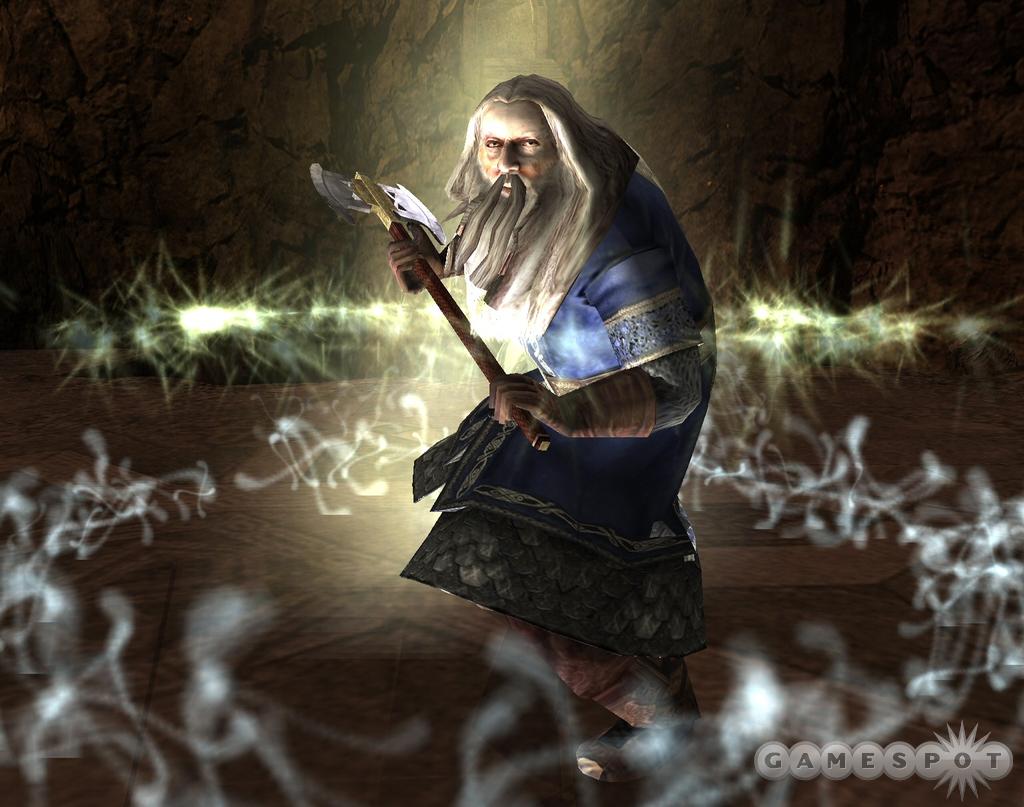
Each of your party's races will be predisposed to specific magic types, so elves will have an affinity for water, for example. In addition, you'll find specific types of skills, such as swordplay or bow craft, that offer more options during combat. The game will also feature a unique skill set--unique to the people of Gondor--called leadership. Besides offering a good number of party buffs to help your group's performance in combat, leadership will eventually play a more tactical role in the game by allowing you to call out formations or strategies to your party during your turn. As you use these various abilities, you'll earn skill points that will move you up unique skill trees in the game. These branching trees will let your decide what abilities to take on and which to pass on as you customize your characters. The more you use a given ability, the more points you'll earn for it and the further you'll move in that ability's direction on the skill tree.
The process for leveling up your character has a customization element to it that players can choose to explore or ignore depending on their levels of skill with RPGs. The Third Age will give you the choice of manual or automatic systems for character development and item equipping, which ensures that you get the experience you want from the game. The manual system works like a standard RPG, so it lets you choose your characters' skills and abilities, as well as exactly what armor and accessories to equip them with. The automatic system will set up your party with the best possible configuration for your next confrontations. This system is a fine addition for newcomers to the genre (or for those who are short on patience). However, if used by RPG veterans, this system is grounds for revocation of a player's staff, cane, pointy hat, or RPG fanboy membership card, so be wary.
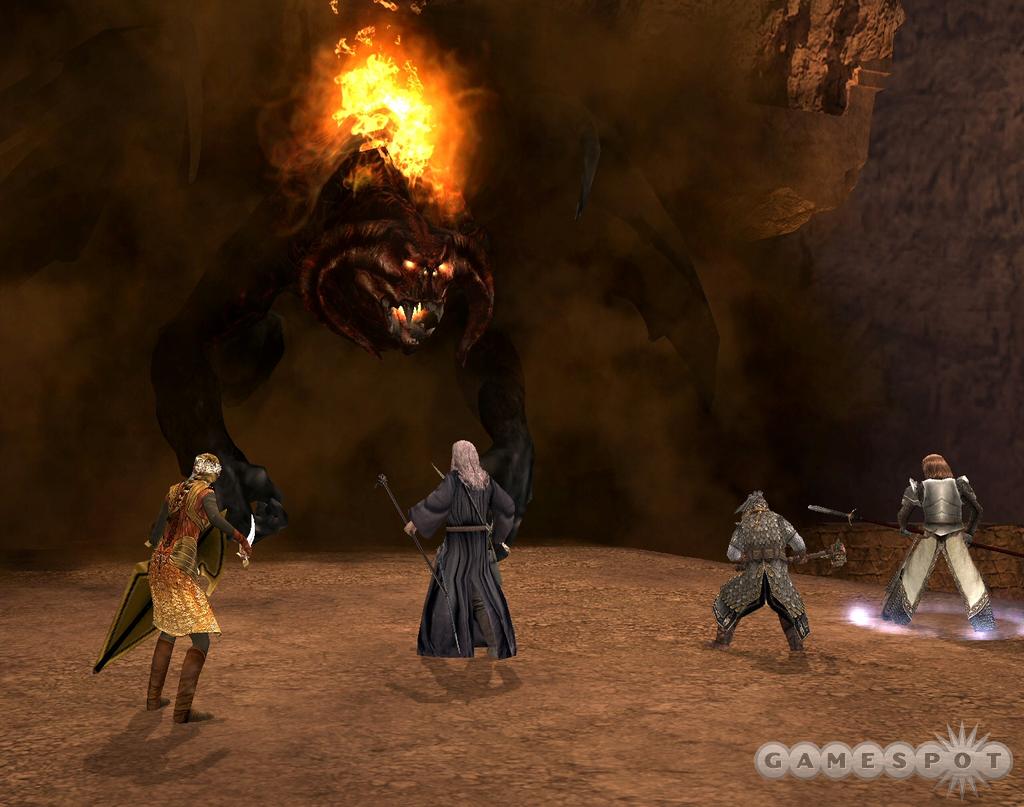
Once you get into the swing of things and start plowing through the game, you'll begin to unlock one of the many treats tucked away in The Third Age, which is the ability to play as the forces of evil. The way this system works is that once you win certain encounters, the events will show up on a map. The game will actually let you replay them from the opposing side so that you can fight against yourself. For example, when you defeat the balrog in the mines of Moria, you'll be able to go back to the fight again--but this time as the brimstone badass. The battles in which you play as the forces of evil are more than just novelties. If you manage to win them, you'll be rewarded with some choice goods for your party (on the good side of things, of course).
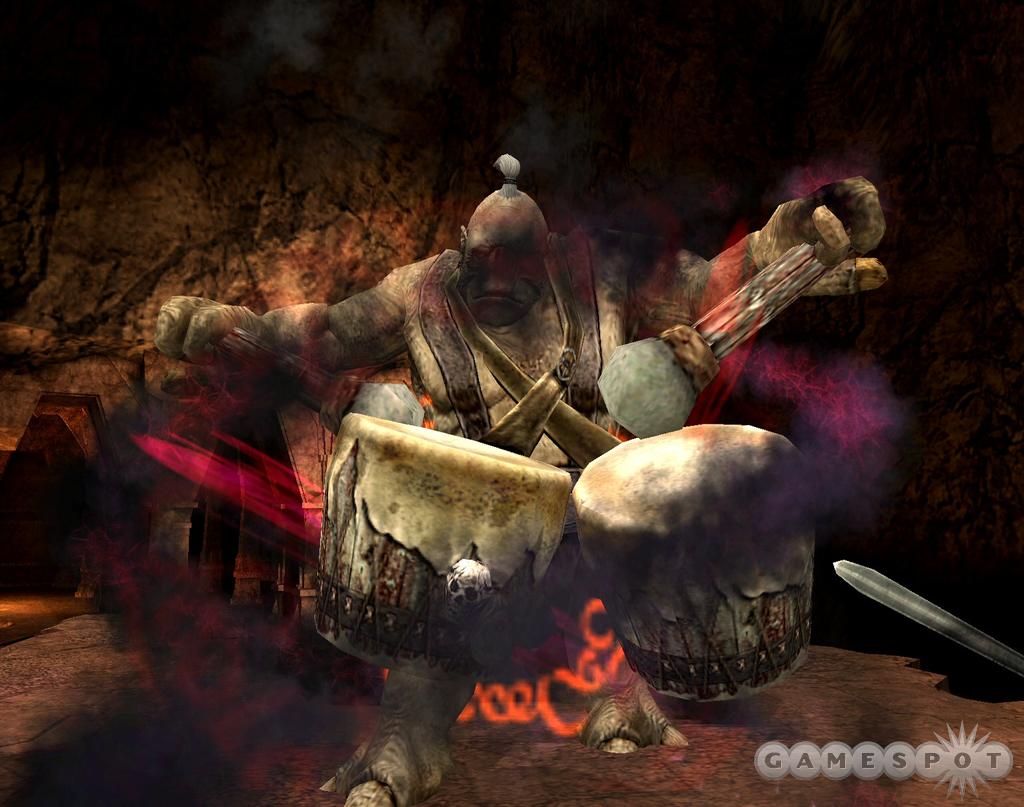
The graphics in the game are still coming together but are looking good. The game engine makes use of new systems, such as the controllable camera, as well as the next generation of technology used in this year's The Return of the King game. Furthermore, it cranks out some strong, atmospheric visuals. The character models look good, but, because they're original characters, they currently don't pack quite the same photorealistic punch as the models seen in the previous two games. This isn't to say they're unattractive by any means, though. Your personal fellowship is a highly detailed bunch that benefits from some smooth motion-captured moves. Oddly enough, the environments and enemies are looking a little sharper at the moment, given the spot-on re-creations of familiar foes. The balrog, for example, is an impressive and stylish re-creation of the fiery beast that's quite fetching. At present (much like its predecessors), the game is running well on all three platforms, with comparable visuals across the board.
Another major element of the game's graphics is how well they tell the game's story. You'll be brought up to speed on events in the game via a combination of cinematics and actual movie footage. As with the previous games based on the trilogy, you can expect to see movie footage from all three films. It appears as though there will be four main points in the game when movie footage will be used--introductions to the first three chapters of the story and at the end. However, due to the original cast of characters, you'll also see real-time cinemas that focus on your party. In addition to the movie footage you'll see in game, however, it's also possible to collect "story cards," which correspond to reedited film footage from the movies and include narration from Ian McKellen, Cate Blanchett, and Christopher Lee. These cards basically help you understand what's going on in the game's primary story.
The audio in the game will mix old and original recorded dialogue from the movie cast, as well as feature plenty of chatter from your own party. You'll also be able to expect a robust helping of ambient sound (based on your locale) to add atmosphere to the proceedings. In addition, the soundtrack will feature a blend of old and new tunes to help immerse you in the experience.
Based on what we've seen, The Lord of the Rings, The Third Age is shaping up nicely. The game's narrative looks to make inventive use of the familiar tale from the films. The gameplay appears to be solid as well, with mechanics that are accessible to newcomers but also feature depth for true RPG fans. The visuals are still coming together but already have some impressive touches that are easily on par with The Return of the King's sharp presentation. The Lord of the Rings, The Third Age should be a rewarding nightcap for fans of the franchise (and a tasty morsel for RPG fans, to boot) when it ships this fall for the GameCube, PlayStation 2, and Xbox. Look for more on the game in the coming months.
Got a news tip or want to contact us directly? Email news@gamespot.com
Join the conversation