Flavors of Fear: Past, Present, and Future
We take a look at the different ways our favorite games have scared us, while looking forward to future thrills and chills.
There are lots of scary computer and video games out there, and even more ready to haunt store shelves this holiday season. And while there are a lot of fine horror games that offer plenty of thrills and chills, they don't all go about scaring you the same way. Some games make you jump out of your chair, others provide a creepy atmosphere, and a select few of them will even get into your head.
In recognition of the many different ways that our favorite scary games encouraged us to sleep with a nightlight, we've called out some of the best examples of the different types of terror throughout the years--the games that best exemplified these special kinds of scare. And to make things even more interesting, we've also included some upcoming games that we hope will continue these creepy-crawly traditions into the future, based on what we've already seen from them so far. So turn off the lights and sample some flavors of fear with us. Have a safe and happy Halloween.
Abrupt Scares
You know the drill: You're in a house or abandoned space station and you've searched every inch of a room for ammo, moon keys, and health packs. Every inch, that is, except for the ones in the closet. The door is closed but crooked. The lights in the room dim, and you hear what sounds like muffled breathing. It's quiet. A little...too quiet. And just when you think you're safe, that's when these horror games get you, hitting you with an unexpected scare that makes you jump out of your seat. These games offer some of the best examples of abrupt scares we've seen.
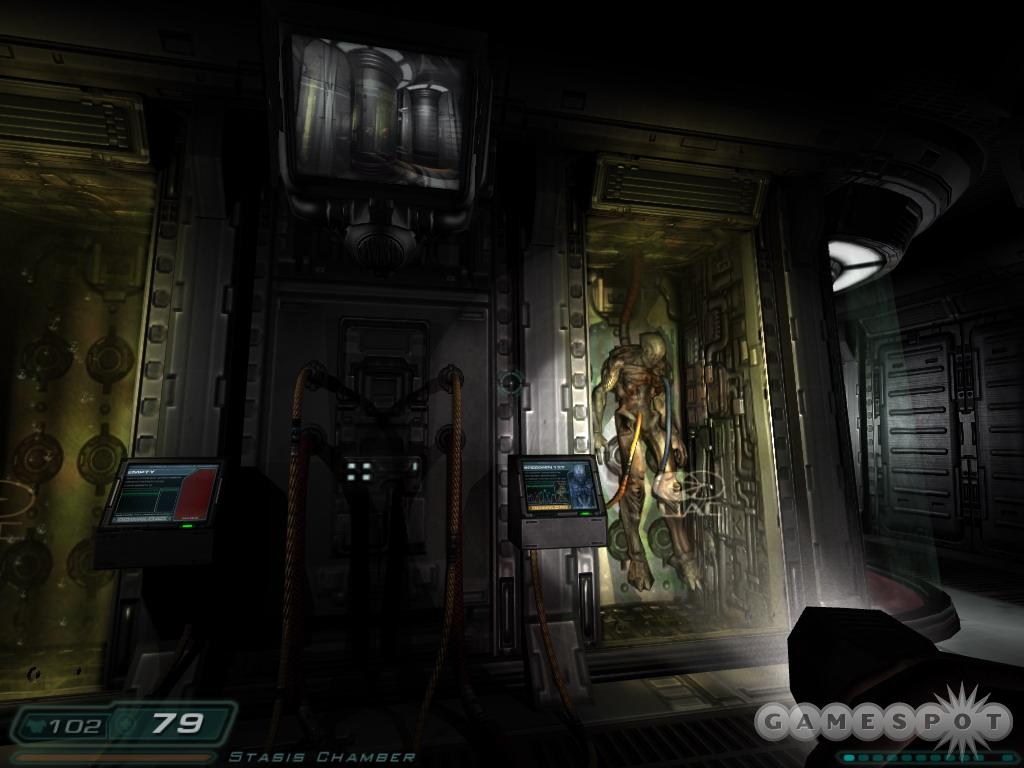
Doom 3 is like a haunted house in which you have space-age weapons, but it's still scary. Why? Well, if you want to peer into the dark, you have to use your flashlight. To use your flashlight, you have to use both hands. That means that any time you want to gaze upon the terrifying zombies waiting to eat your face, you have to put down your gun. Of course, when you finally muster the courage to shine a beam into that black abyss, you see nothing; the zombies are already behind you.
Resident Evil
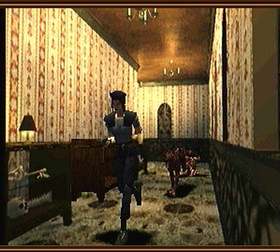
Resident Evil is arguably one of the most important games of all time, and the first entry in one of the most successful franchises in the history of gaming. It also has one of the best, most memorable scares in the history of horror video games. Before you even take control of your character, this game goes straight for the jugular with its terrifying dogs, which chase you from the very outset of the game in a cinematic sequence. And if you thought you managed to lock them outside, boy, were you in for a surprise. Just as you're getting used to the unusual third-person control scheme and struggling with your aim at slow-moving zombies, it makes you jump out of your seat as one of these hellhounds leaps through the window. Even worse, they run much faster than you can move or aim.
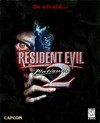
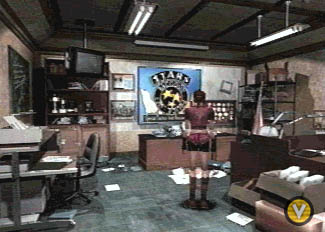
Resident Evil 2
You go into Resident Evil 2 thinking that you have zombies, dogs, and herbs under control. You simply shoot a zombie dead and then step over it on your way to bigger and better things--until you realize that it's chewing your leg because it isn't dead enough. And if you think that's shockingly freakish, you haven't seen anything yet. After making your way through a burning downtown and an abandoned (by the living) police station, you encounter one of the game's most memorable, and startling enemies, the licker--something with its brains on the outside and a tongue a mile long that leaps out at you in that first hallway.
Atmospheric Tension
Have you ever been scared for no reason? Felt your mouth go dry and your skin crawl just because the environment around you was so convincingly creepy, due to hair-raising sound effects, unsettling visual images, or both? That's atmospheric tension for you, and if used correctly, it can change the whole climate of a gameplay experience from one of casual curiosity to compelling dread. Games with great atmospheric tension keep you on the edge of your seat because they convince you that something terrible is about to happen.
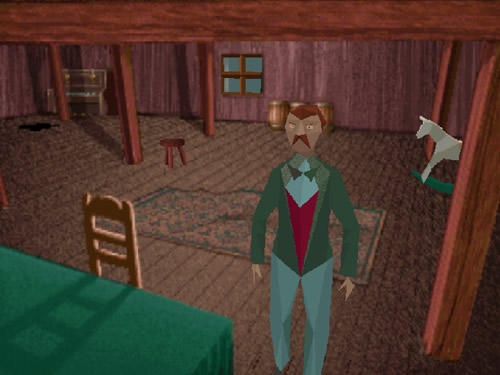
The original Alone in the Dark might not be very scary by modern standards, but it deserves a great deal of credit for helping blaze the trail, both for atmospheric tension and for the genre of games that would become known as "survival horror." Alone in the Dark is the first such game to use fixed camera angles for each room along with 3D graphics. It takes place in a very spooky mansion in which the main character, Edward Carnby, must navigate the creaky, poorly lit place and survive the attacks of crazy-looking monsters that lurk just around the next corner.
BioShock
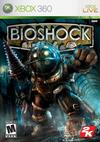
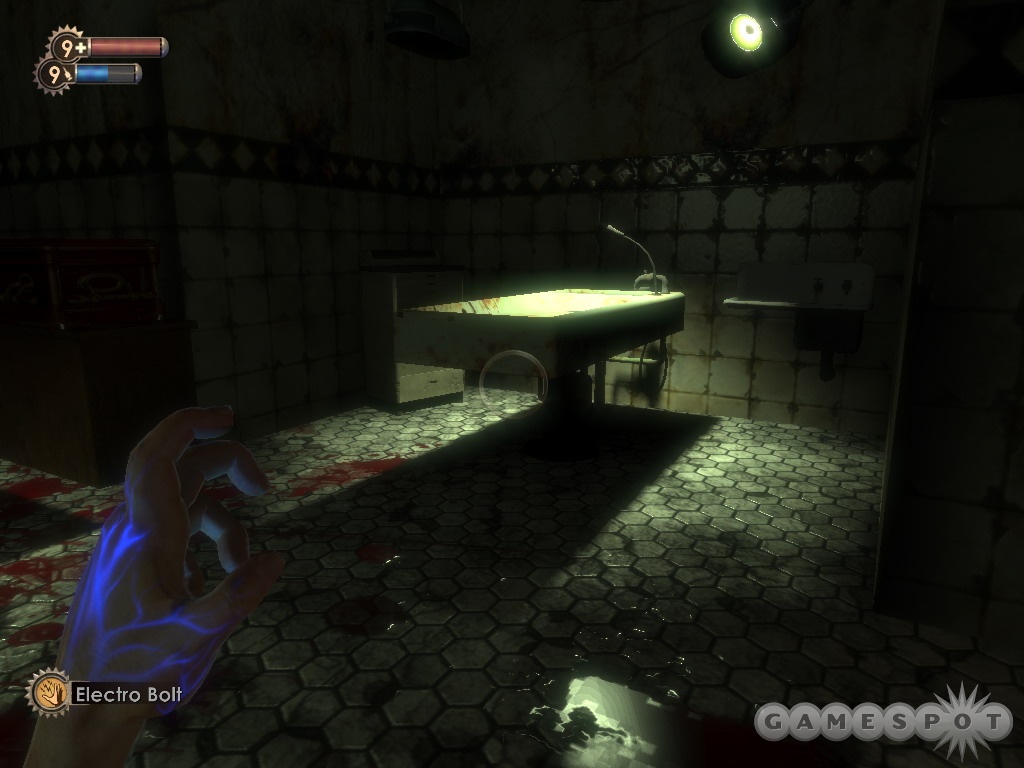
BioShock's Rapture makes a strong first impression, and leaves a lasting one even after you finish playing the game. It's beautiful and provocative, a modern utopia laid low by corruption and decay. You know something terrible can happen at any time because the mess all around you suggests that terrible things never stopped happening. And while you explore the ruins of this decadent city, you'll constantly hear the eerie audio combination of obliviously optimistic music and the nonsensical ramblings of splicers: the genetically enhanced and completely insane inhabitants of the city.
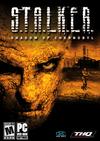
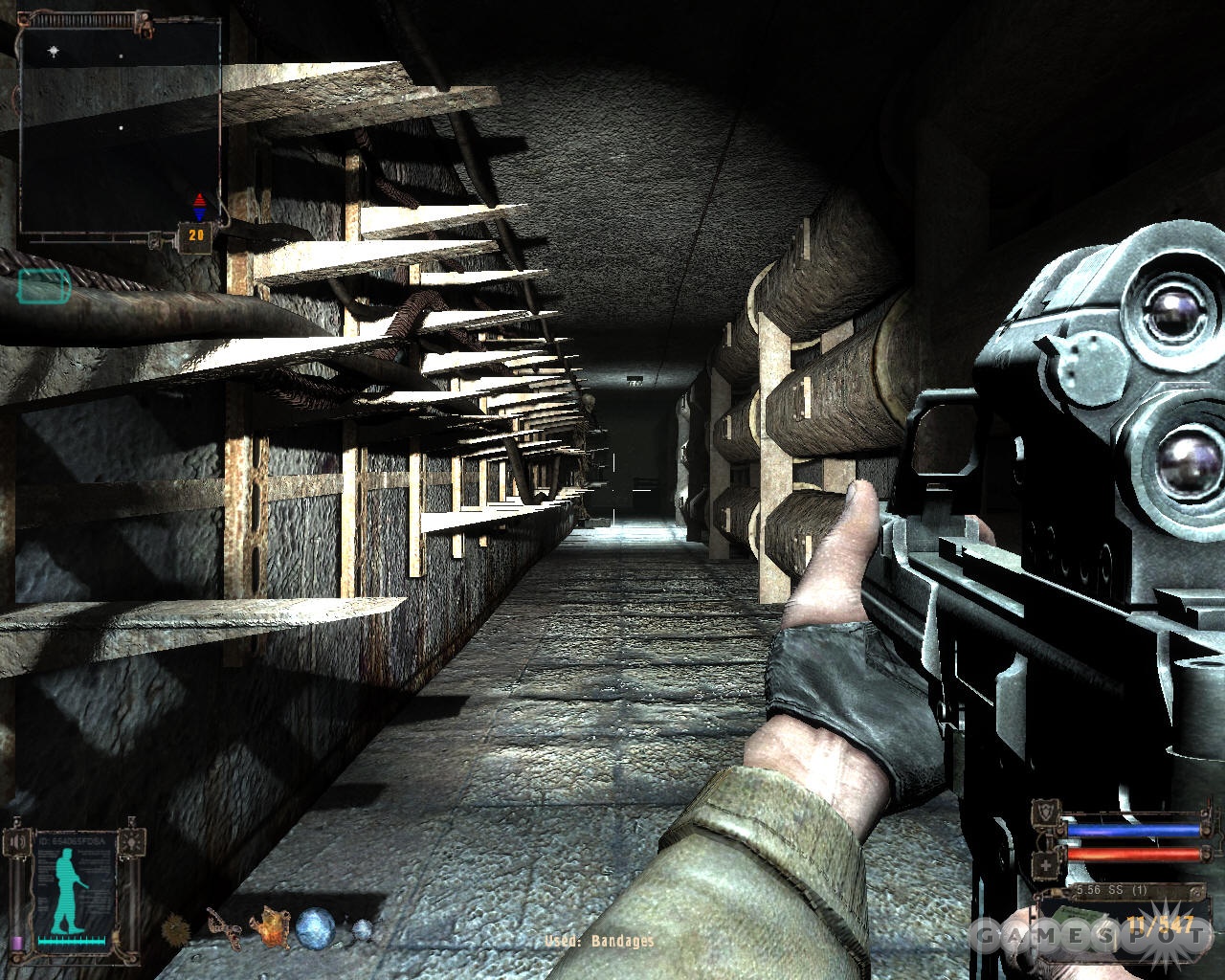
S.T.A.L.K.E.R. takes place in an area known as "the exclusion zone," where a second, fictitious Chernobyl meltdown has caused the remaining wildlife to become horrible mutants. Furthermore, the disaster has led to valuable "artifacts" surfacing in the area for ambitious scavengers to recover and sell. The game's excellent use of real-world assets gave rise to realistic and highly detailed environments such as the abandoned amusement park at Pripyat. Along with the game's excellent ambient sound effects, S.T.A.L.K.E.R.'s environments create a memorably eerie atmosphere of desolation and loneliness that quickly turns to peril when the mutants come out to play.
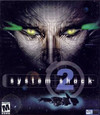
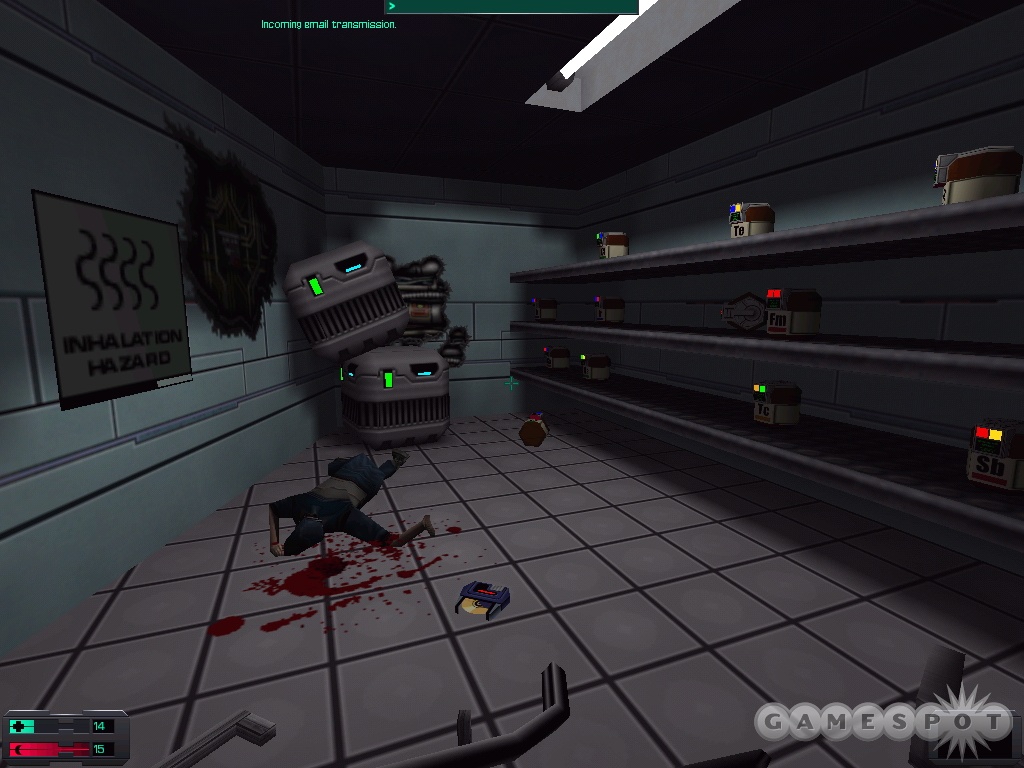
It's said that "In space, no one can hear you scream." However, System Shock 2 proves otherwise, given that the terrifying computer overmind and the hideous alien collective can not only hear you--they've already killed everyone else and are actively searching for you, too. System Shock 2 presents a unique environment that combines the loneliness of high-tech deep-space travel with a sense of atmospheric dread that's not only provided by the corpses strewn about the ship, but is also, like in the game's successor BioShock, provided by the journals of fallen crew members, who offer horrifying glimpses into what happened to them…and what might happen to you.
The Thing
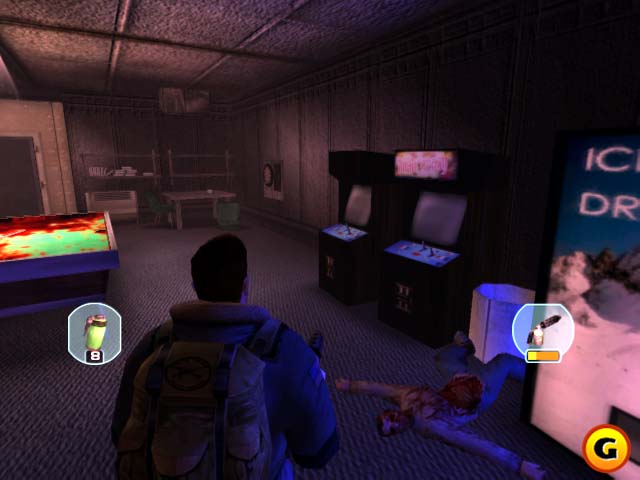
The thing about The Thing is that it could be standing right before your eyes, and you wouldn't even know it. It could be Betty, or it could be Jack, and you wouldn't even know until it was too late. And then it would be you (or, you would be it, or however that works). That's right, people are what make The Thing--the 2002 game that continues the storyline of the cult-classic motion picture--such an ambient and creepy experience. Anyone around you can secretly be a weird alien, and the ones who aren't, well--they completely freak out. Not only does the game do a great job of re-creating the remote atmosphere of the motion picture, but it also ups the ante with interactive characters who are always around you...and who always threaten to turn on you when you least expect it.
Gross-Out Horror
There are things that the average human mind would rather not consider. Gross-out games take these things, cover them in boils, throw in a sprinkling of maggots, and make them stagger toward you, possibly while vomiting blood--or worse. The challenge with gross-out horror games (such as it is) seems to be that every unbelievably shocking sight or hideously mutated corpse contained in one game just sets the bar higher for the next. At what point do the mutated corpses and the gore cross over from horrifying to excessive and downright ridiculous? The following games seem to strike that difficult balance and provide some of the most memorably unsettling sights in horror games.
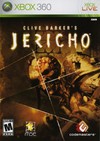
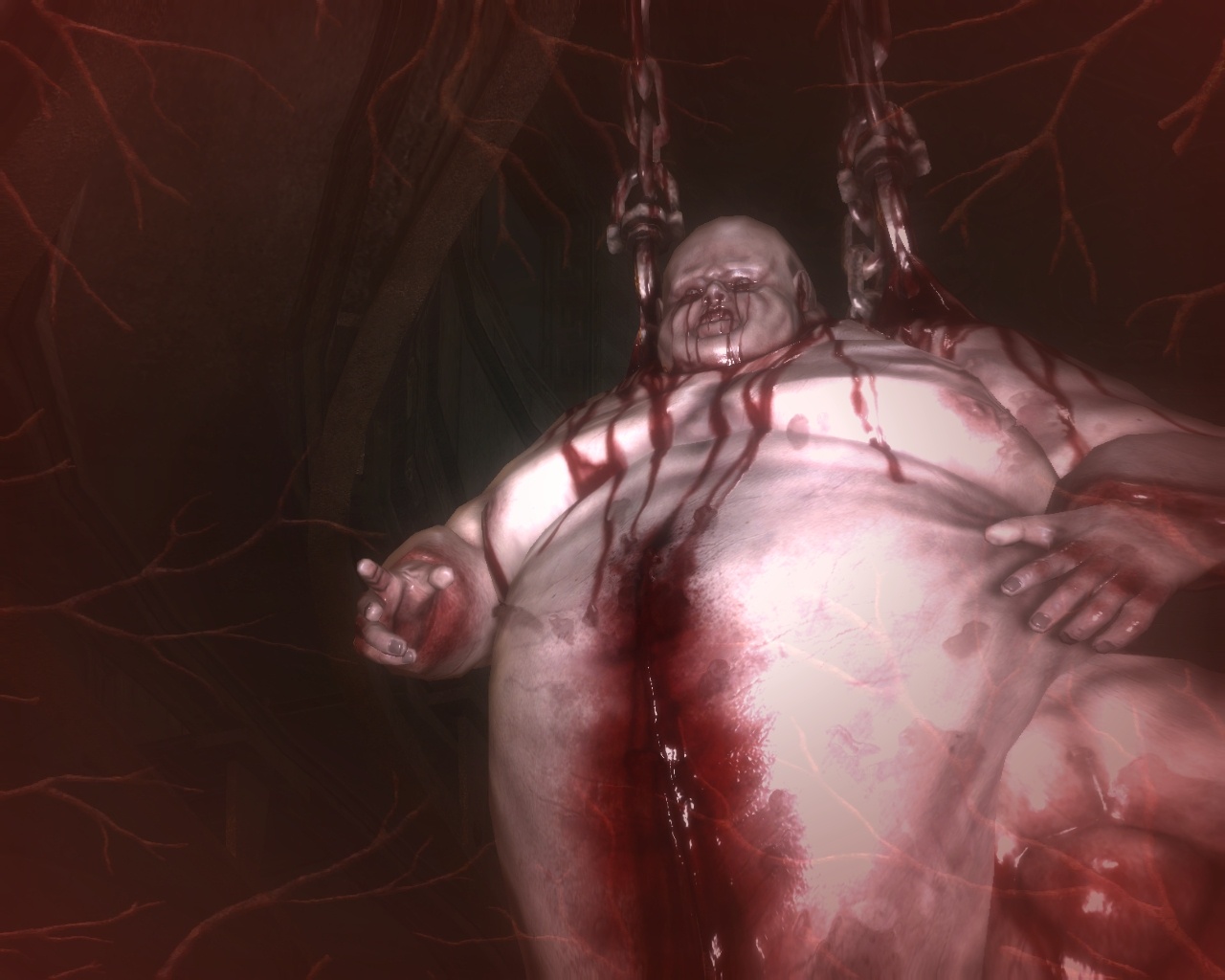
Horror author Clive Barker has been around for a while now, so you might think he'd be running low on horror-story ammunition. Clive Barker's Jericho proves that this is not the case and features some of the most outrageously disgusting moments in the history of games. Though it isn't necessarily the world's greatest first-person shooter, the game makes an impression with its absolutely hideous, blood-spewing monsters, some of which resemble disembodied pieces of human anatomy that aren't usually mentioned in polite conversation.

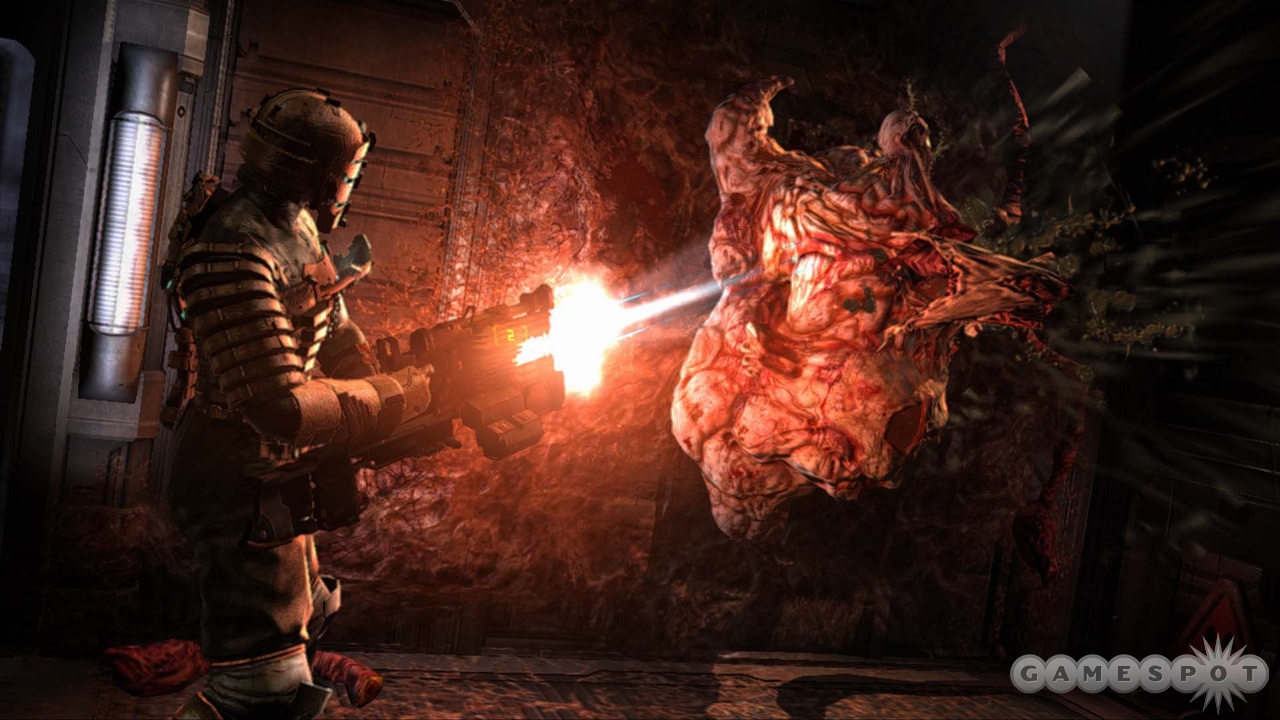
Dead Space
Every game has its buzzwords, but few hack and saw their way into your psyche like Dead Space's "tactical dismemberment." No, this doesn't refer to the best way to disassemble a body for insertion into a suitcase; it refers to the fact that you're a futuristic engineer with laser weaponry who is up against a hideous onslaught of zombified monsters with lots of heads, legs, and tentacles. The very look of these beasties supplies half of the game's gross-out factor, but the other half of this is equation comes down to how you, as a poorly equipped rescue-team member, have to use improvised weapons such as mining lasers to hack these beasties into gooey, screaming pieces to survive.
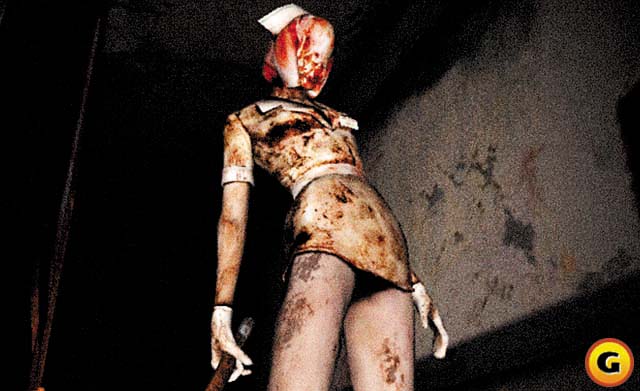
If the Silent Hill games had a mascot, it might be one of the disturbingly erotic monster nurses who shamble toward you with their low-buttoned shirts, pushed-up cleavage, and bleeding, bandaged heads. In the case of Silent Hill 2, the best mascot might be Eddie, the murderous idiot, puking in a toilet, because that's actually a reasonable response to a lot of the things you'll see within the town's limits (or lack thereof). Take the stomach-acid-spitting monstrosities you encounter at the beginning of the game. Worse, consider the amorous monsters that look like two human lower trunks fused together. Pretty gross, right? Wrong. By the time you finish Silent Hill 2, you'll look back on them fondly. Why? Because the real gross-out moments in Silent Hill 2 won't make you say "That's disgusting." No, they'll make you say, "I'm disgusting."
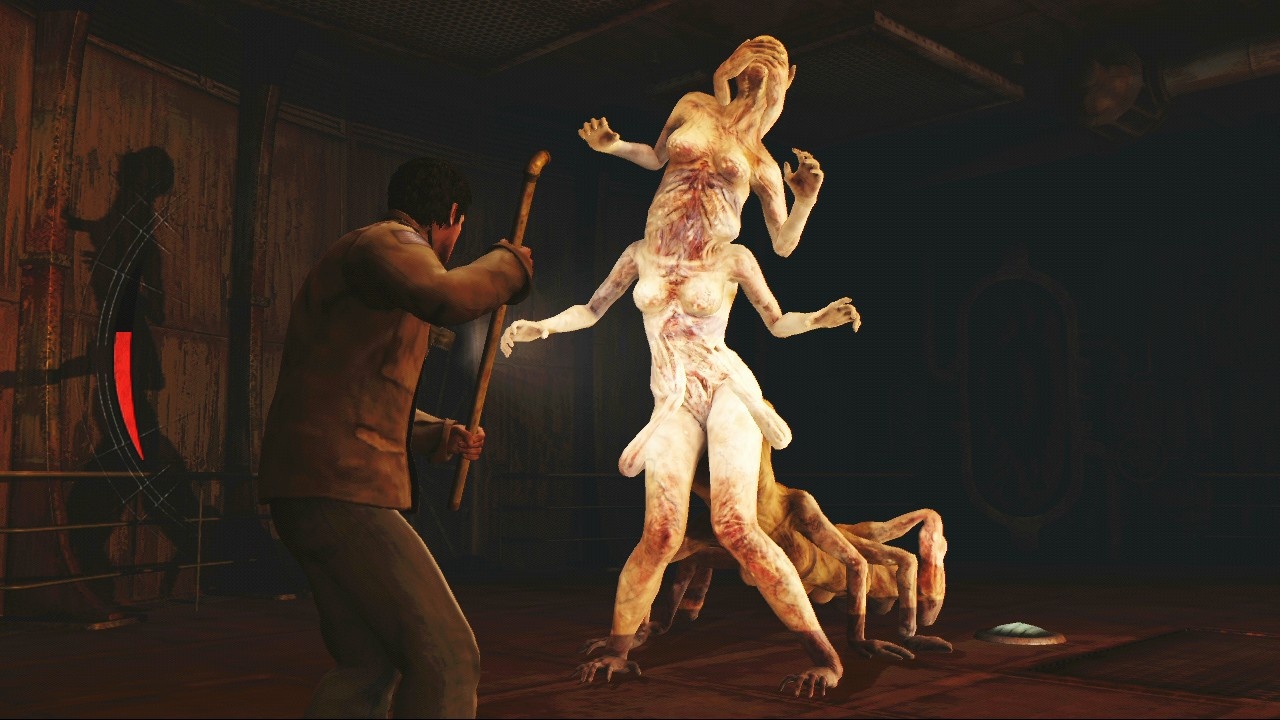
The monstrosities we've seen from Silent Hill: Homecoming are like a mix of the insect world and the underworld. The creepy praying mantis made out of human body parts is pretty gross, but even it gets queasy around the bizarre caterpillar made of human torsos, arms, and legs. And this is all stuff that Konami wanted you to see before the game even came out. The inhuman caterpillar is just a taste of the perversions waiting for you; it's a nasty worm on a sharp hook. Who knows what disgusting horrors await those who take this game's gross-out bait.
Adrenaline Rush
So many monsters, so little time…and ammo. This is the essence of the adrenaline rush brand of horror: fast-paced, action-oriented horror games in which you're actually packing enough firepower and can move quickly enough to defend yourself from your monstrous foes. Perhaps to balance things out, the monsters in such games tend to be among the most aggressive and violent critters that you'll find in any game. Adrenaline rush horror games challenge you to be fast enough to kill everything else before everything else kills you. Here are some of the best examples from the past, present, and future.
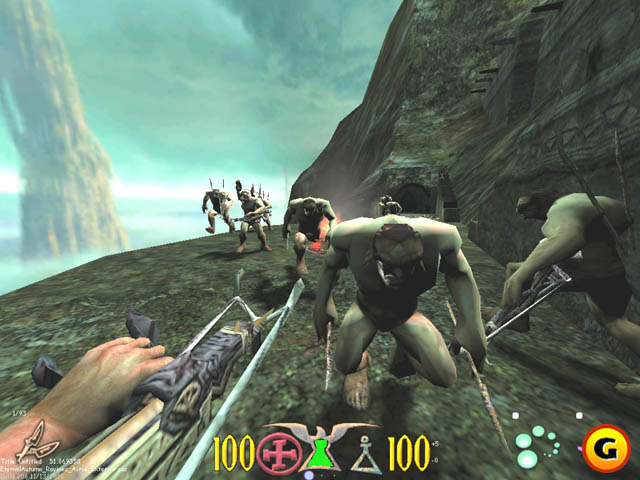
When an old friend asks you to come and save him from a family curse that has claimed his siblings, you probably think you'll show up, exorcise a few demons, and then crash on his couch for a week or two. Unfortunately, as you find out in Clive Barker's Undying, every single member of your old war buddy's family has fallen under a hideous curse that has transformed them into horrible, violent monsters, each deadlier than the last. All you have at your disposal is your trusty revolver…and your magic scrying stone, a host of supernatural powers, and an arsenal of way-out weapons (such as a disembodied icicle-shooting dragon's head and the grim reaper's scythe) to cut through the curse (and the cursed siblings).
Doom
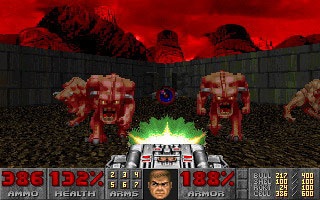
Doom is arguably the game that established the first-person shooter as the popular mainstream genre it is today. No other game before it offered that combination of slick, superfast first-person shooter action with hair-raising monster foes and surprisingly gritty action. Your character, a space marine tasked with fighting through the forces of Hell, can run at a near-continuous sprint, which adds a hectic element to a game that's sometimes about monsters jumping out at you in the dark and sometimes about mowing down a big group of demons before they can chew your face off. Doom is the original adrenaline rush horror game, and when you consider everything that it had to offer at the time, it's easy to see why.
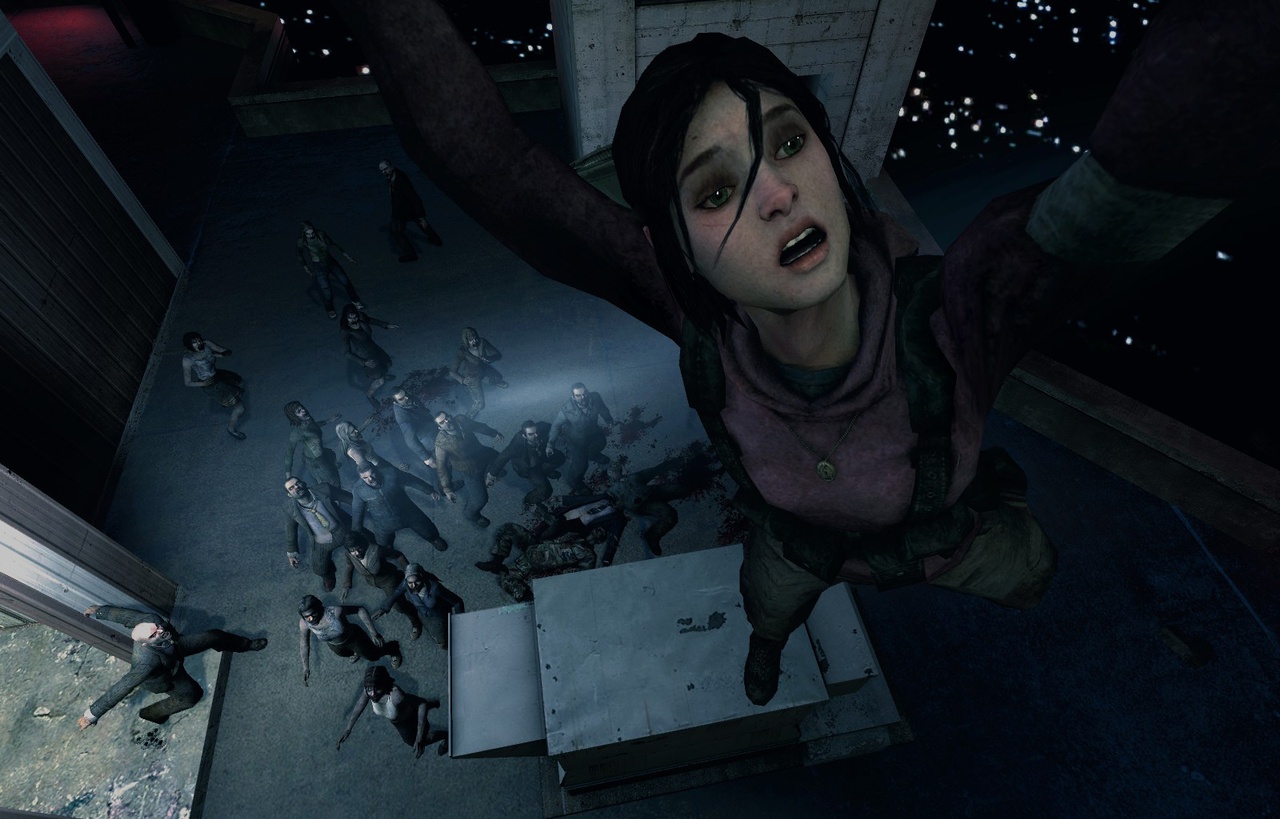
Left 4 Dead takes the fast-moving zombie packs from movies such as 28 Days Later, and then puts you and a few friends right in the middle of them. This unusual multiplayer shooter will place you and a group of buddies in a ruined city, trying to move from one end to the other without getting mobbed by zombies. You'll be carrying modern-day weaponry in the form of handguns, shotguns, and a few other weapons, but your best weapon will be smart teamwork, because the zombies will be persistent…and there will be many of them, enough to knock you off of your feet and drag you away unless a good teammate can help you back up. Even better, the game will offer a competitive mode that will pit a team of human players against a team of zombies.
Resident Evil 4
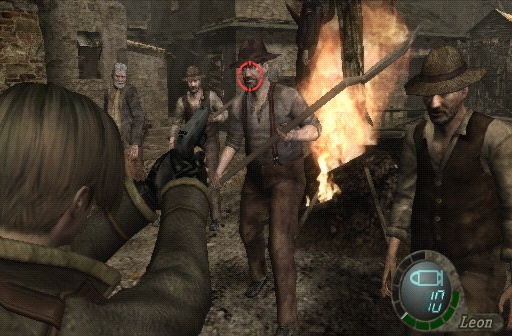
Resident Evil 4 is an outstanding video game that uses nearly every trick in the book (and some not in the book) to deliver an awesome and terrifying gameplay experience. And like a lot of other traditional horror games, it traps you in tight spaces and pits you against armies of slow-moving, zombie-like monsters. But this time around, it puts you in the shoes of a fast-moving special agent who can carry a massive arsenal of shotguns, rifles, and hand grenades while leaping from second-story rooftops or running right up to the game's zombie-like foes and kicking them in the face. Even so, Resident Evil 4 still offers plenty of horrifying, adrenaline-pumping situations, from being trapped in a cabin with an invading horde of enemies, to running for your life from giant boulders about to crush you, and facing off against enemies who don't always go down with a single blast of a shotgun.
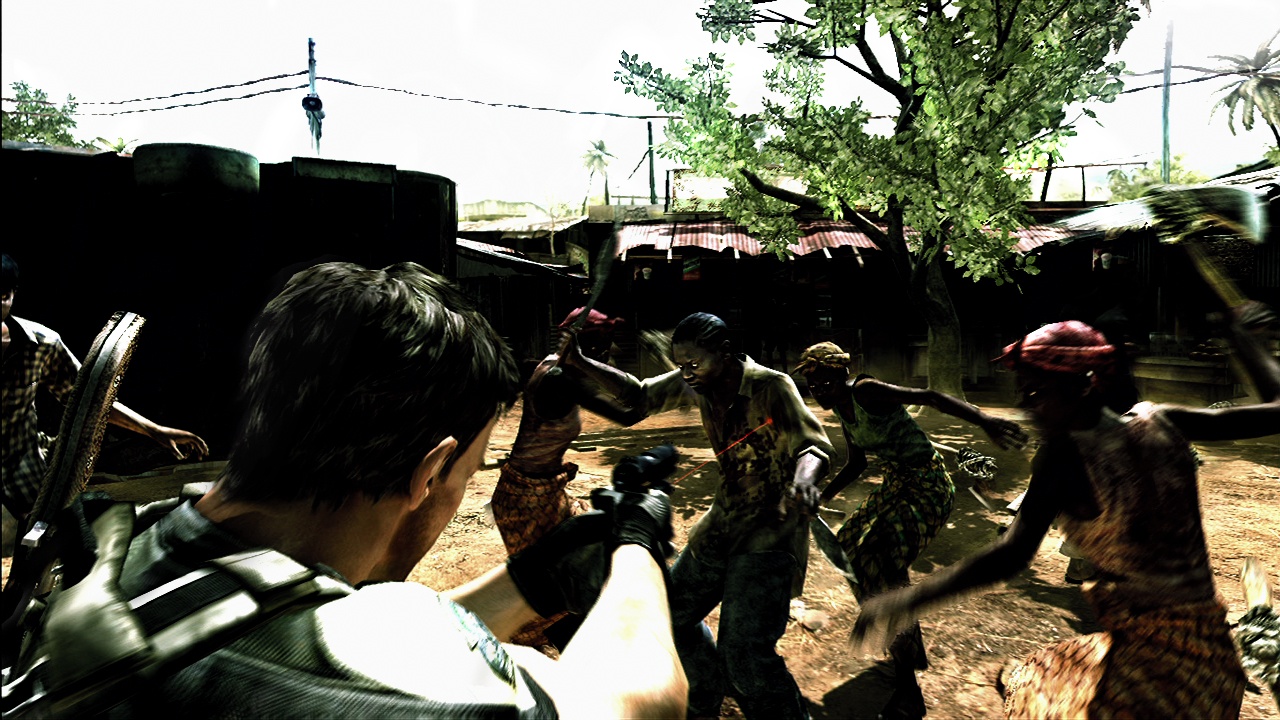
This upcoming action game will follow in the footsteps of the excellent Resident Evil 4 and will put you in the shoes of another special agent…also pitted against mobs of crazy people carrying sharp and pointy weapons. And like in Resident Evil 4, whatever weird infection has taken over these people's brains may have robbed them of their senses, but it hasn't affected their ability to break into a dead run right toward you. Fortunately, in Resident Evil 5, you'll have a companion with you throughout the game to provide backup and get you out of a jam, but from what we've seen, you'll need the extra help. The enemies in Resident Evil 5 seem much more numerous and a lot more aggressive.
Psychological Horror
Maybe the scariest experience isn't getting attacked by a monster on the outside; it could very well be the thought that the monster is inside your own head. The best psychological horror games out there will do that to you. Sometimes it starts slow and gradual: A few things appear to be amiss, but as you progress through your adventure, you start to feel a very different kind of fear as you question not only what you've seen, but also whether you actually saw it. What was real? What wasn't? These are some of the best horror-themed games that get into your head.
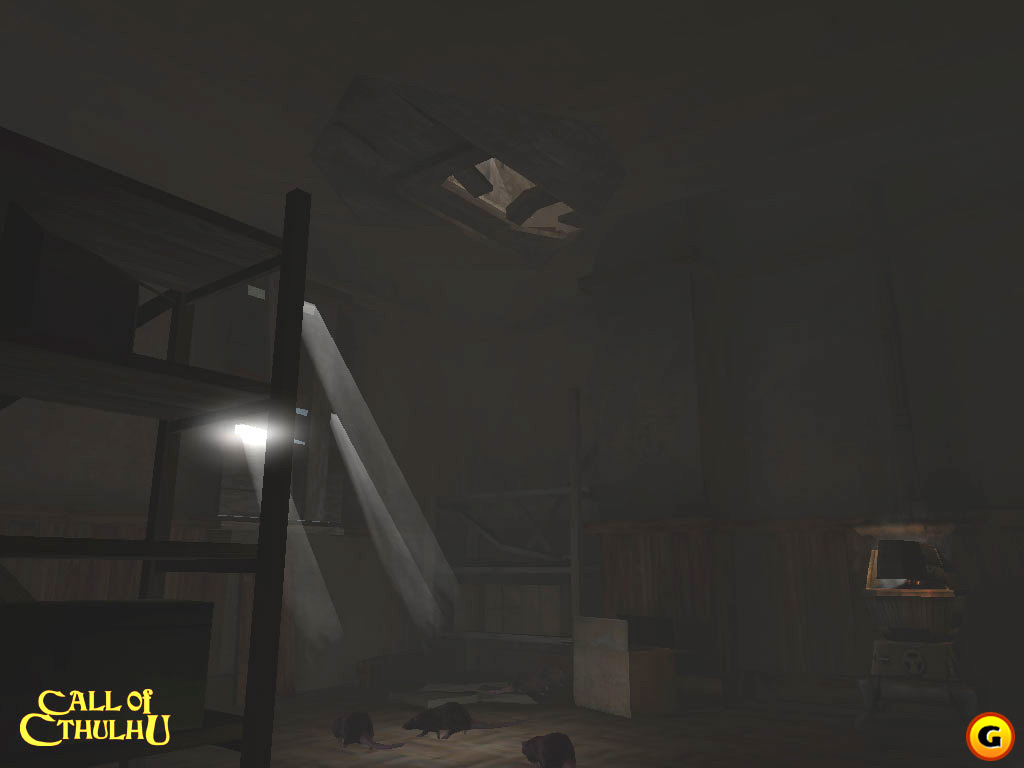
Call of Cthulhu: Dark Corners of the Earth
Author HP Lovecraft arguably helped pave the way for modern horror with such imaginative tales as "The Call of Cthulhu" and "The Shadow Over Innsmouth." The latter tale was the basis for this Lovecraft-inspired game, in which you play as a lone investigator looking into what appears to be an evil cult that seems bent on helping birth a new race of creatures that are part human (and part not-human). The game's unusually bare interface (which didn't have health or ammo meters) helps enhance its psychological horror elements. Your character's history of mental problems also helps blur the line between reality and fevered dream. When your character, Jack Walters, gets especially rattled (and he does get rattled), the usually steadfast gumshoe tends to start talking to himself in a most unnerving way--though that's probably because of his tendency to have out-of-body experiences and see things through the eyes of other beings, not all of which are human.
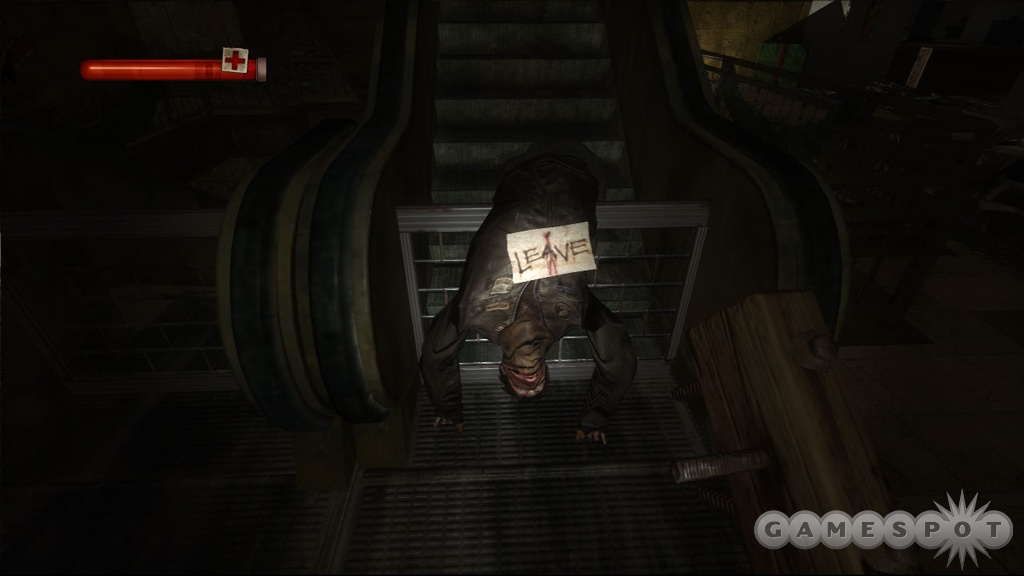
Condemned is a flat-out crazy game. It has a very memorable, in-your-face first-person camera, as well as a ton of combat. You play as an investigator armed with a handgun, but given that your handgun tends to run out of bullets right when you need it, you'll be using makeshift melee weapons, such as lead pipes and baseball bats, to pound your raving enemies' faces in at very close range. Seeing as how you play as a guy chasing another guy who is killing serial killers in the same fashion that serial killers usually reserve for their own victims, things seem complicated. And they get worse, because as you progress through the game, it starts dropping hints of an even worse threat: that the serial-killer-hunting monster you seem to be tailing might actually be you.
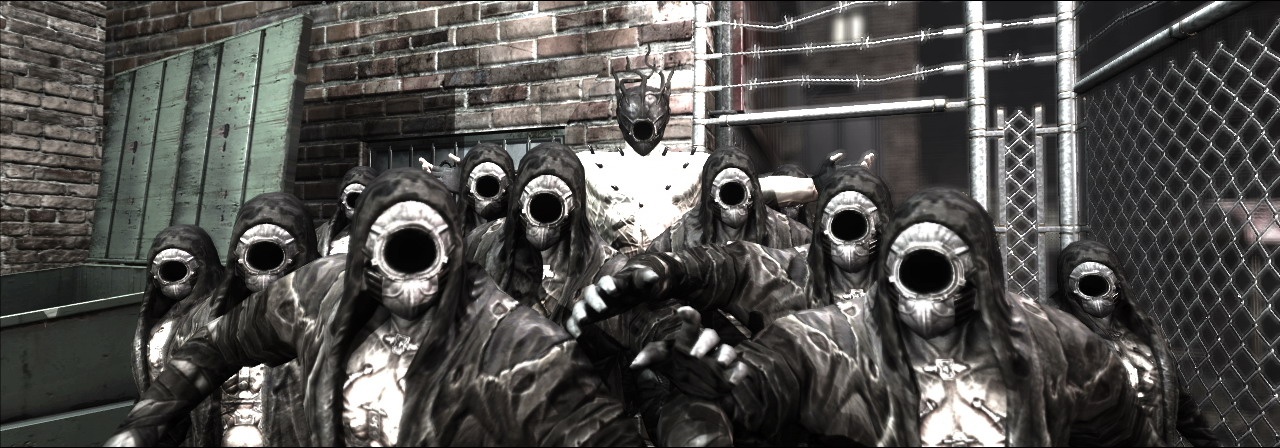
In Condemned 2, though protagonist Ethan Thomas no longer wonders if he and the mysterious Serial Killer X are the same guy anymore, he still has his share of psychological issues to deal with. He's a violent drunk, for starters, and he's homeless. Nevertheless, he's needed to investigate the death of his former mentor, so he gets back in the saddle to beat up some bums, solve crimes, and kill crazy cultists. You'll also have to deal with your angry, mean alcoholic alter ego to keep him from taking over your body and spending all of your money on malt liquor. Of course, the mission isn't as simple as it sounds, and toward the end, the game gets tremendously creepy and really starts playing with your head--veering far off from reality and into the occult.
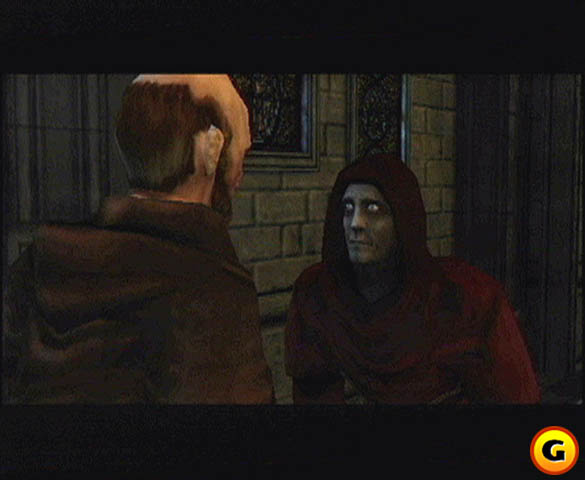
Eternal Darkness brilliantly turns psychological horror into an actual gameplay mechanic. In the game, you play as the descendant of a cursed family that constantly experiences brushes with the occult--and you actually get a chance to relive every ancestor's doomed life and feel their horror as they all lose their sanity. In addition to having a normal life bar, each character has an actual sanity meter. Once your sanity level starts dipping to extremely low levels, the world around you changes. The game's camera view skews, you hear voices, and finally, you begin to experience hallucinations, some of which are completely outlandish, and some of which are surprisingly convincing. Without spoiling anything, let's just say that the game isn't afraid of playing with the so-called dramatic "Fourth Wall"; it knows you're playing as a character in a video game, and it doesn't hesitate to mess with your head in a variety of creative and memorable ways.

F.E.A.R.
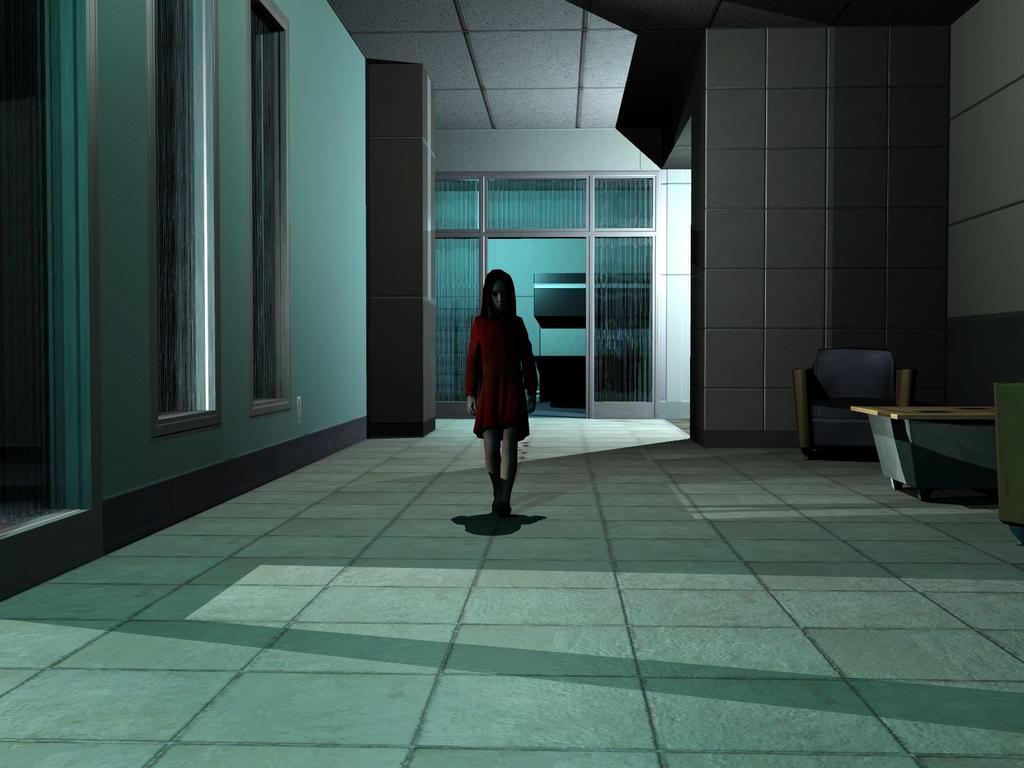
In F.E.A.R., you start off as a heavily armed elite commando investigating a disturbance in a city. So what, you figure. You pick up your assault rifle, strap on your body armor, and head out for some close-quarters combat at the scene of the disturbance, an office building. But during the course of the game, you find that your character appears to suffer from severe hallucinations. Specifically, you keep seeing a mysterious little girl named Alma, reminiscent of the comparably mysterious little girl from the Japanese cult-horror picture The Ring. From then on, you're led to experience wilder and wilder hallucinations that begin interfering with your perception of reality, which makes the game's nail-biting gun battles seem much more intense and its in-the-dark exploration much more threatening.
And there you have it, five distinct flavors of fear. Whether you prefer abrupt scares, gross-outs, adrenaline rushes, atmospheric tension, or psychological horror, there are lots of great scary games out there, and even more on their way to store shelves. Do you agree with our picks for some of the best scares out there? Think there are better scares to be had? Leave us a comment and let us know!
Got a news tip or want to contact us directly? Email news@gamespot.com
Join the conversation