A History of Video Game Music
This feature offers a timeline of significant milestones in the evolution of video game music. It includes details ranging from pong on up to the modern era, with audio clips of some landmark games, as well as links to video clips of more modern games.
Design by Collin Oguro
Video game music has come a long way, baby.
Once an afterthought in terms of game design and overall pop-culture consciousness, video game music is now a legitimate industry of its own. Today, internationally renowned orchestras perform entire concerts of music composed specifically for video games, and game soundtracks regularly feature top-drawer techno, hip-hop, rock, and punk bands. Video game soundtracks have their own real estate now in retail outlets both online and off. There's even a small but growing movement of video game music cover bands, which incorporate 1980s console hardware into live performances of classic arcade ditties. Wild.
Music is, of course, only one element of the overall sound design of video games, and in this larger arena too, exponential leaps have been made in a relatively short period of time. With the advent of directional and simulated surround sound, game audio became integral to the action itself. (Hear that crunching, gnawing sound to the left? That's why we're taking this here passage to the right...) First-person "sneakers," like the popular Thief series, turned the art of listening and eavesdropping into a survival skill in itself.
And for some games, sound and music are the point in and of themselves. Consider the genre of rhythm games like Dance Dance Revolution and Frequency. With these titles, interacting with the soundtrack is the very focus of the gameplay. DDR and similar games have made an even broader impact on the video game form by introducing full-body tracking and dance pads (or drum kits or guitars) as the central control interface.
In fact, historians will likely look back on these last few and current years as the golden age of video game music. As a media form, video games are emerging from the "ghetto" of teenage fanatics and hardcore techies into the sunlight of respectability and mainstream acceptance. This is a cyclical process in mass media, as new technology creates new forms--from hip-hop to animation to graphic novels to even cinema itself.
The Forgotten Element...
As with film, television, and other primarily visual mediums, sound and music in the beginning were often the forgotten elements in video game design. That's because sound elements have a more subtle effect than do splashy visuals or hyperspeedy gameplay. In fact, oftentimes the mark of superior sound design is that you don't consciously notice it at all. Instead, it goes to work on you subconsciously--heightening tension, manipulating the mood, and drawing you into the gameworld faintly but inexorably.
Consider the ominous ambient sounds of survival horror titles like Resident Evil, which compound the tension as you happen upon those relentless zombies chewing up your Alpha Team comrades. This is a technique descended directly from cinema--try watching a horror film (or playing a horror game) with the sound muted. The absence is startling and indicates how critical sound can be.
Even early games like Space Invaders earned much of their addictive appeal by getting into your head with thumping, repetitive sound schemes. As the aliens got faster and closer, the music got faster and louder. Properly designed, sound and visual cues work together to produce an experience greater than the sum of their parts.
Dedicated gamers have come to appreciate just how integral good sound and music can be to the overall gameplay experience. Arcade classics such as Pac-Man and Defender relied on superb digital sound schemes to provide us with ditties, melodies, beeps, and buzzes we'd never heard before. With the introduction of the 16-bit and 32-bit eras and with the expanded storage capabilities of CD-ROM, video game music moved into the realm of true composition. Video game soundtracks now constitute their own category in the retail music market. Mainstream cross-pollination continues as well, from "Pac-Man Fever" to the recent phenomenon of techno and rock artists who contribute to game soundtracks.
In 2000, the National Academy of Recording Arts and Sciences (NARAS) decided to let interactive games compete in the annual Grammy awards. Individual proponents within the game music industry are lobbying for a video-game-specific category in the future. So far, however, not much progress has been made. As it stands now, individual composers or record labels can submit video game soundtrack music independently in one of three general categories: Best Soundtrack Album; Best Song; or Best Instrumental Composition for a Motion Picture, Television, or Other Visual Media.
As technology has progressed and overall game design has evolved, video game music is now a fertile area of development and growth. Accelerating crossover between video games and Hollywood has resulted in licensed commercial music leaping between various new media forms. Consider that House of the Dead is now a movie, James Bond is a game franchise, and TV's Alias is a marquee title for industry heavyweight Acclaim. Many new games now ship with an entirely separate audio CD for the stand-alone soundtrack, and video game music is finally getting the popular and critical attention it deserves.
What a long, strange trip it's been. So join us now for a leisurely "scroll" down the History of Video Game Music
Thanks to BasementArcade.com, Paul's Atari 2600 page, and the Video Game Music Archive for the music files used in this feature.
The Early Days
1958-
The Silent Era
The very first video games, alas, had no sound component whatsoever. In 1958, William Higinbotham, an engineer at Brookhaven National Laboratory, a US nuclear research facility, fashioned a crude tennis-type game on an oscilloscope. (Many experts consider this the first "hack" of a computer system.) Five years later, Spacewar--MIT student Steve Russell's protogame--featured two dueling spaceships controlled by toggle switches. It was created on the hulking PDP-1 computer, a $120,000 mainframe the size of a Buick. Both games, however, were silent.
1972
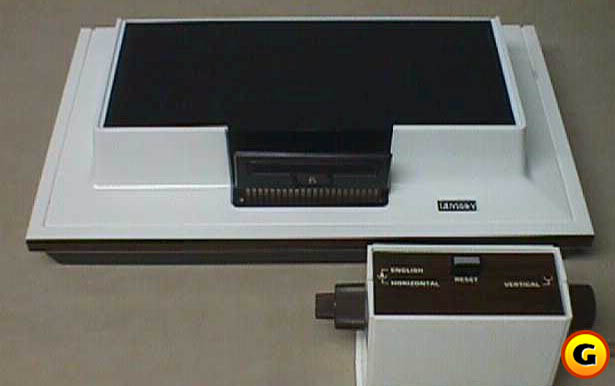
Magnavox Odyssey Released
The first home video console, the Magnavox Odyssey, is released in the US. The fully analog system is fully silent as well.
1972
Pong Heard Around the World
Nolan Bushnell test-markets his protovideo game, Pong, at Andy Capp's Tavern in Sunnyvale, California. The arcade video game as we know it is born. The sonar-blip sound that's generated as a digital ball is batted back and forth is the first true video game sound effect. It proves to be oddly compelling and kind of hypnotic.
1974
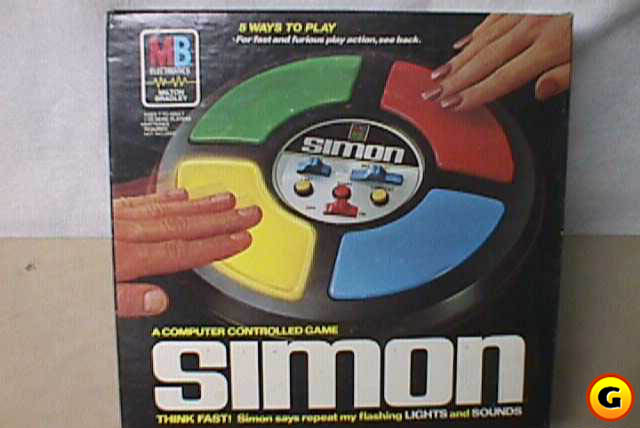
Simon Says
Milton Bradley releases Simon, one of the most popular handheld games ever. Simon plays patterns using four separate tones and four different-colored lights. You repeat the patterns, and then a new note is added every go-around. In that sense, Simon was the first game to incorporate music as a game element--in a very Zen, free-jazz kind of way.
1975
Shots Heard Around the World
Midway Games imports Gunfight from the Japanese company Taito. Gunfight is the first game to use a microprocessor (instead of hardwired circuits). A one-channel amplifier provides mono gunshot sounds.
1977
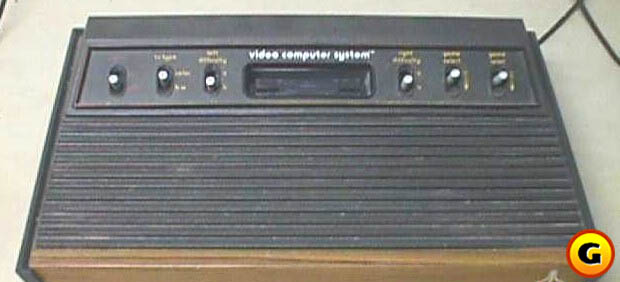
Atari Comes Home
The Atari Video Computer System (VCS) hits shelves in time for the Christmas holiday season. Nine game cartridges are available upon the system's release, and the sounds of a generation are born. Scratchy and primitive sound effects on the VCS (later known as the 2600) are still unlike anything to ever come out of a TV set. Highlights: the rumbling tanks of Combat, the bleep-bloop-bleep rhythm of Breakout, and the ominous silence of Adventure.
1978
Space Invasion
Midway imports Space Invaders from Taito. A great example of simple, effective sound design, Space Invaders owes a large part of its appeal to its menacing, paranoia-inducing soundtrack. Not music per se, the thumping audio track actually accelerates in tempo as the enemy invaders draw nearer (and move faster). The effect: sweat, panic, and increased blood pressure in a generation of gamers.
1978
Odyssey2 Gives Voice to the People
The Magnavox Odyssey2 used programmable 2K ROM game cartridges so that each game could be designed with unique sound and music. Previously, games were limited to the palette of sounds hardwired into the specs of the console itself. The Odyssey also came with a speech synthesis unit (released as an add-on) for phonetic speech capability and improved music and sound effects.
1979
Never Tell Me the Odds!
Atari's Asteroids hits arcades, and like Space Invaders, it employs a thumping, repetitive rhythm that speeds up as gameplay intensifies. The piercing laser shots, exploding asteroids, and high-pitched squall of enemy UFOs add to the sonic tension. Another great, early sound design.
1979
Baseball Gets a Word In
The first talking game to appear in the home console arena, Major League Baseball for the Intellivision system featured a computer-generated voice with a woefully limited vocabulary: "strike," "ball," "out," and so forth. Talking commentary would go on to become a de rigueur element of sports games.
1980-1985
1980
Taunting Berzerkers
Manufacturer Stern introduces the innovative shooter Berzerk, which features the most recognizable voice synthesizer module of the early arcade era: "Get the humanoid!" "Intruder alert! Intruder alert!" "The humanoid must not escape!" "Chicken! Fight like a robot!" Inexplicably, players seem to enjoy being mocked and taunted by a machine and continue to feed it money. The market for Microsoft operating systems is born.
1980
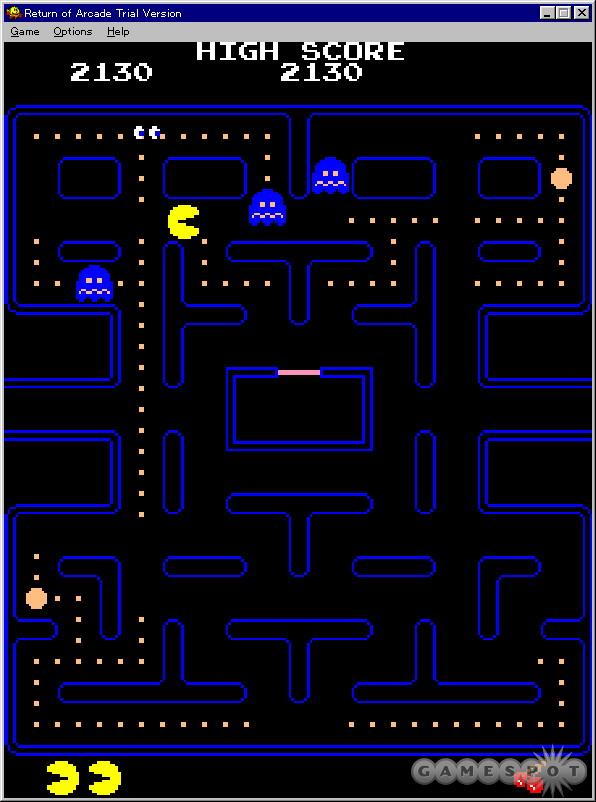
The Pac-Man Cometh...
The most popular video game of all time (in terms of pure pop-culture consciousness) makes its debut, with more than 100,000 units shipped to the US alone. The game boasts many memorable sound and music elements. The opening ditty is one of just a few video game melodies to become instantly recognizable. If we want to get cerebral about it, we can ponder Pac-Man's voracious, insatiable eating of dots--is this the sound of consumerism run amok? Also consider the sound of Pac-Man dying (blinking out), which has become a universally accepted "defeat" sound.
1980
Pac-Man Fever
Video game music hits the pop charts: Atlanta musicians Jerry Buckner and Gary Garcia spoof Ted Nugent's song "Cat Scratch Fever" with "Pac-Man Fever." Sample lyric: "I've gotta callus on my finger/And my shoulder's hurtin' too/I'm gonna eat 'em all up/Just as soon as they turn blue." The song goes to number nine on the US singles charts. A follow-up album features additional songs dedicated to Frogger, Centipede, Donkey Kong, Asteroids, Defender, Mousetrap, and Berzerk. Buckner and Garcia rerelease the Pac-Man Fever soundtrack on CD in 1999.
1980
Smart Bomb! Smart Bomb!
A side-scrolling space shoot-'em-up from Williams, Defender rivals Pac-Man for the most popular arcade game of its time, with more than 55,000 units sold worldwide. Despite being limited by the standard single-channel mono amp, Defender features a busy, chaotic sound design. The game's constant thrusting and shooting, with subsequent exploding aliens, creates a wall-of-noise effect that adds greatly to the game's dynamic intensity
1981
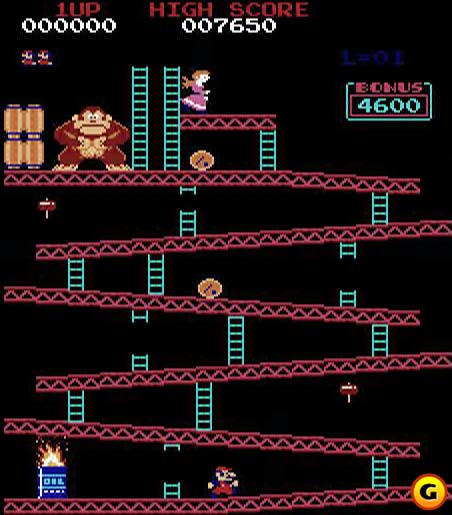
Donkey Kong Ditty
Nintendo's blockbuster arcade game features another winning sound design. Shigeru Miyamoto created the music himself on a small electronic keyboard. The Donkey Kong ditty, deceptively simple and impossibly tenacious, will subsequently lodge itself in the brain cells of an entire generation.
1981
Tempest: Sound and Fury
Atari's first color vector game, Tempest, hits arcades, and true to its name, the relentless sound schematic rivals Defender for sheer wall-of-noise power. Tempest was one of the first machines to use Atari's POKEY chip, the primary function of which is to generate sound. The chip has four separate channels, and the pitch, volume, and distortion values of each can be controlled individually. Tempest uses two chips, for a total of eight "voices" arranged in endless combinations. Atari releases a separate soundtrack for the game, believed to be the first stand-alone audio soundtrack in the video game industry.
1982
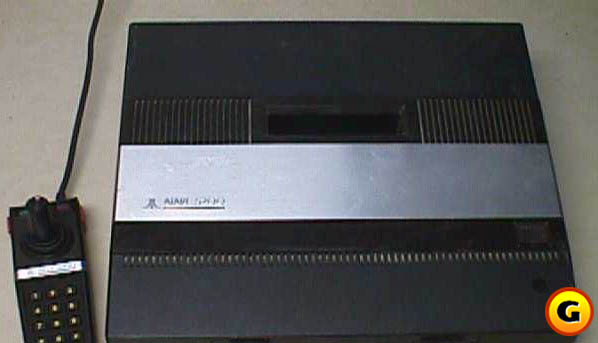
Double Your Fun: The Atari 5200
Atari's 5200 system incorporates the four-track POKEY chip and is essentially a console version of the Atari 8-bit computers (400/800, XL, XE, XEGS). Several arcade favorites migrate to the home console and benefit from its improved technology--think Vanguard, Robotron: 2084, Joust, Ms. Pac-Man, Dig Dug, Pole Position, and Centipede.
1982
The Original DJ: Q*bert Meanwhile, back in the arcade, cult favorite Q*bert incorporates some innovative sound elements. As author Steven Kent points out in his book The First Quarter: A 25-Year History of Video Games, sound engineer David Thiel programmed random numbers into the speech chip that generated Q*bert's "voice." The result: Whenever Q*bert died, he muttered angry gibberish that sounded like speech (but wasn't). At the same time, a word balloon appeared over his head with messages like "@!#@!"--the first alien swear words. The game also used mechanical pinball hardware to generate the "thunk" you hear when Q*bert falls off the pyramid--a decidedly analog solution to a digital dilemma.
1982
Don't Stop Believin'
Video game music and rock 'n' roll collide in the first of many subsequent meetings when Journey Escape for the Atari 2600 is released. In the game, you must guide the members of rock 'n' roll supergroup Journey past hordes of swarming groupies and photographers to their scarab escape vehicle. Digitized Journey songs are, naturally, provided. What must have seemed like a merely good idea at the time now seems like absolute and total genius.
1983
Into the Dragon's Lair
Cinematronics releases Dragon's Lair in 1983, which was the first arcade game to feature laser-disc technology. As such, the game was also one of the first to incorporate stereo sound and actual human voices. The animation staff--former Disney artists--use their own voices for the characters.
1983
Spy Hunter in Stereo
Another of the first stereo sound games, Spy Hunter has one channel dedicated solely to the familiar Peter Gunn spy caper theme and the other dedicated to activated game sounds--machine guns, helicopter blades, and other in-game action noises. It's a classic game, and Spy Hunter's reputation is marred only by the fact that it produced--in the words of the Simpsons' comic book guy--the "worst sequel ever."
1985
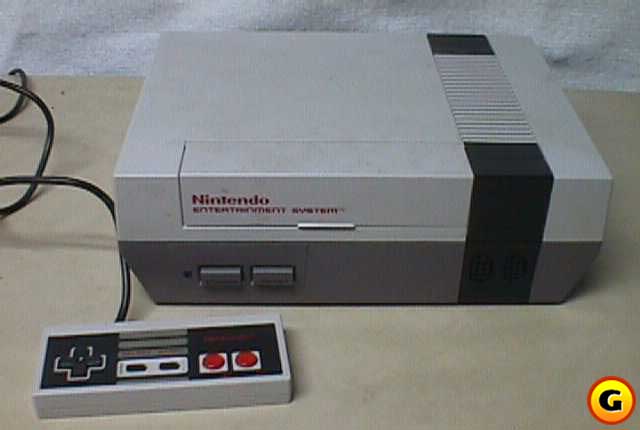
The Dawn of the NES
Nintendo test-markets its soon-to-be-dominant Nintendo Entertainment System (NES) in New York. The 8-bit system uses a powerful Motorola 6502 processor.
1985
The Tetris Syndrome
Russian programmer Alex Pajitnov inflicts the powerfully addictive Tetris upon the world. The infectious soundtrack adds greatly to the puzzle game's enduring appeal. Subsequently, millions of glassy-eyed players endure endless loops of vaguely martial Russian Muzak playing in their heads.
1985
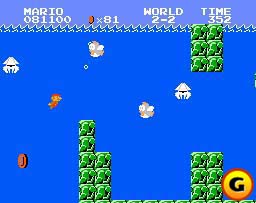
Super Mario Bros. Arrives
Nintendo releases Super Mario Bros. for the NES. Considered by many to be composer Koji Kondo's first true masterpiece, the music and sound design of Super Mario Bros. sets a new high-water mark. Constantly shifting tone to match the action onscreen, Kondo's sound design achieves a new kind of synthesis with the gameplay. Try playing the game with the sound off, and you'll quickly miss those music and sound cues--for example, the exact timing of your immunity power-up wearing off. With the Super Mario Bros. soundtrack, video game sound design begins to move in a new direction, away from cinematic conventions and toward something altogether new.
1986-1990
1986
Sega, Atari React
Sega releases its 8-bit Sega Master System (SMS) in the US. The system features four dedicated sound channels--three for music, one for noise. Atari releases the 8-bit 7800 game console, which has built-in backward compatibility for 2600 games.
1986
Dawn of the Disk Era
Nintendo releases a peripheral for the Famicom (the Japanese NES)--a $150 disk drive called the Famicom Disk System. The device never makes it to the US market, but it signals the beginning of the shift from cartridges to digital discs.
1987
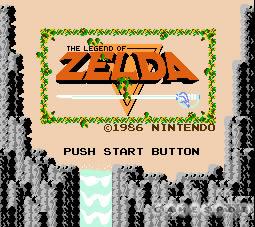
Zelda: A Legend Begins...
Shigeru Miyamoto's The Legend of Zelda comes to the NES, pioneering a key Nintendo franchise in 1987 in the US. The game's music won many fans and can be found reproduced in MIDI and MP3 format all over the Web.
1987
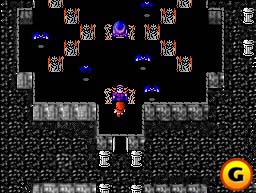
Final Fantasy Debuts
In 1987, Square releases Final Fantasy for the NES in Japan. A franchise is born, and it will generate what is considered by fans and historians to be the best video game music ever made. Composer Nobuo Uematsu breaks entirely new ground with his sweeping and cinematic musical scores and continues to work his magic in sequels to this day.
1989
Introducing the Game Boy
Nintendo's handheld phenomenon, the Game Boy, is released and features four channels for sound--each of which can be mapped to the left, to the right, or to both speakers.
1989
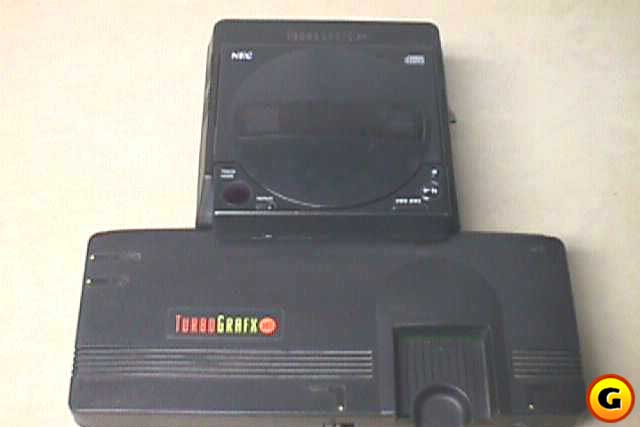
Turbocharge it: The TurboGrafx-16
NEC releases the TurboGrafx-16 in the US (only the graphics processor is true 16-bit). NEC also releases a $400 portable CD player attachment, which plays games that are stored on compact discs.
1989
In the Beginning: Sega Genesis
Sega responds to the TurboGrafx-16 with its 16-bit Genesis system, which features six-channel stereo sound.
1989
Mega Man 2: The Superior Sequel
Like Aliens or The Godfather Part 2, Mega Man 2 is one of those rare sequels considered better than the original. While the game's superior graphics are often heralded (they pushed the limits of what the NES could do), many gamers remember this title more for its effective music and sound design. Each level had its own theme music, with phrases and motifs specific to the game's long list of prosaically named villains: Bubble Man, Quick Man, Metal Man, Crash Man, Wood Man, Heat Man, Flash Man, Air Man, and, of course, the evil Dr. Wily himself.
1989
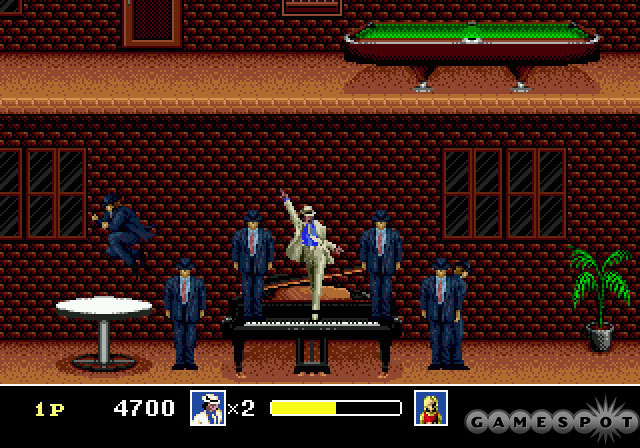
Moonwalking With Michael
Sega launches a huge campaign to promote its title for the Genesis system, Michael Jackson's Moonwalker--seemingly the ultimate meeting of video games and pop music. The game, which features synthesized versions of MJ hits, such as "Billie Jean," "Another Part of Me," and "Beat It," is offbeat, but excellent. Jackson contributed to the creative development of the game, which follows the superstar as he shimmies through graveyards and pool halls, looking for kidnapped children. Yes, it all seems even creepier now.
1990
Super Famicom Hits Japan
Nintendo of Japan unveils its Super Famicom, a 16-bit system with better audio and 3D graphics than those of the Genesis and TurboGrafx-16.
1990
SNK NeoGeo Makes the Scene
SNK releases the $399 24-bit NeoGeo in arcade and home formats. The home system's dedicated 8-bit sound processor provides 15 separate channels. Check out GameSpot's History of SNK feature for even more information on this remarkable console.
1991-1995
1991
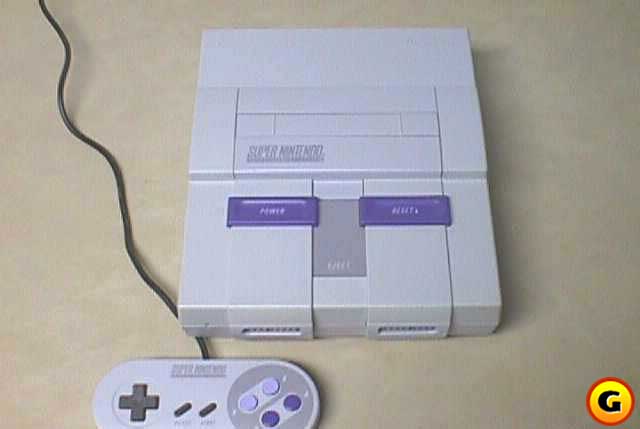
Super Famicom Arrives in US
Nintendo releases the 16-bit Super Famicom in America and calls the $249.95 console the Super NES (SNES). The system uses a dedicated 8-bit Sony SPC700 sound chip with eight separate channels.
1991
ActRaiser Goes to the Symphony
This Super NES title from Japan is often cited as one of the first to effectively incorporate a sweeping symphonic score. A quirky kind of hybrid, ActRaiser combined side-scrolling action with RPG and world-building elements. Taking its cue from classical Hollywood film score traditions, the soundtrack was indeed beautifully orchestrated. Also, your character was actually a deity called "The Master." So, you know, that never hurts.
1991
Introducing Play-by-Play
Joe Montana Sportstalk Football II for the Sega Genesis debuts, marking the first time a sports game employs continuous play-by-play commentary. Previous games had featured the occasional shout-out, but Sportstalk was the first game to feature an announcer describing the action on the field as it happened. The Madden football franchise would go on to dominate the field, so to speak, upping the commentary ante with each release. Whether or not this is progress depends greatly on your opinion of John Madden.
1991
Word on the Streets of Rage
Sega releases Streets of Rage for the Genesis system. A classic side-scrolling beat-'em-up, the game's techno soundtrack takes full advantage of the Genesis system's advanced sound hardware. The songs include rumbling drum samples, sticky melodies, and innovative use of stereo effects.
1992
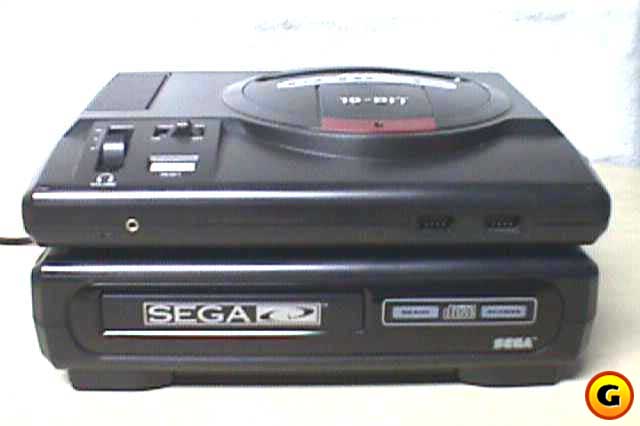
Sega CD Released
Sega releases the $299 Sega CD system, as the migration toward superior CD-based storage continues.
1993
3DO Console Arrives
Panasonic releases the 32-bit 3DO console system to rave reviews. The system uses a custom 16-bit processor with 17 separate channels to and from system memory, taking maximum advantage of the CD-ROM format. The $700 price tag cools sales.
1993
Sonic CD Ups the Ante
Breaking new ground in home gaming sound fidelity, Sonic CD for the Sega CD system boasts what is perhaps the first truly CD-quality soundtrack. The music credits read like a professional commercial release, with multiple composers, arrangers, and mixers, as well as individual musician credits for guitar, drums, bass, and synthesizer.
1993
Jaguar Pounces
Atari leaps over its competition by introducing the 64-bit Jaguar Atari, bypassing the 32-bit arena altogether. It's actually two 32-bit coprocessors, affectionately named "Tom" and "Jerry." Jerry, a 32-bit digital signal processor, handles sound duties and is able to produce CD-quality sound with full stereo effects
1993
Star Fox: Space Opera Refined
A high-profile release for Nintendo, Star Fox is a 3D space shooter with polygonal graphics designed principally to highlight Nintendo's Super FX chip. But the designers pulled out the stops on the audio end as well, with voice effects that were state of the art for the time and a suitable space-operatic musical score. Forever shall the voices of your wingmen--Slippy Toad, Falco Lombardi, and Peppy Hare--live on!
1994
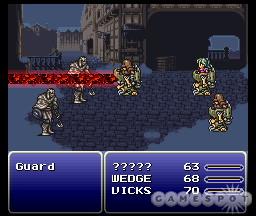
Final Fantasy's Apex
Square's wildly popular Final Fantasy series hits a new high with Final Fantasy VI (III in the US in 1999) for the SNES. A great example of Uematsu's brilliance, this soundtrack demonstrates the increasing sophistication of video game music. Character-specific leitmotifs recur throughout gameplay, and the sheer variety of styles employed is audacious. Uematsu is deservedly compared to film composer John Williams. (The game's soundtrack would ultimately place first in GameSpot's Readers' Choice of the all-time greatest video game soundtracks.)
1995
More Sound: Sega 32X
Sega releases its 32-bit console peripheral, the 32X, which enables the Genesis to run a new set of 32-bit cartridge games. The 32X adds two more sound channels with its built-in PCM stereo sound chip.
1995
Sega Saturn
Sega releases its 32-bit, $399 Saturn in the US in May. The system employs two sound processors--a Yamaha FH1 24-bit digital signal processor and a 22.6MHz Motorola 68EC000 sound processor
1995
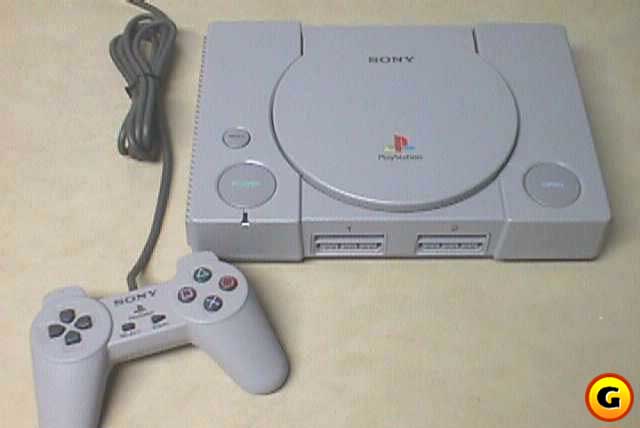
Sony PlayStation Arrives
Sony releases the 32-bit PlayStation in the US in September at a price of $299. The 24-channel sound chip provides CD-quality stereo sound and has built-in support for digital effects such as reverb and looping.
1996-2000
1996
Nintendo 64
Nintendo launches its Nintendo 64 in the US. The beefed-up, cartridge-based 64-bit system breaks tradition by relying on its exceptionally powerful CPU to handle much of the task of creating music and playing back sound effects.
1996
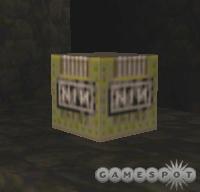
Quake and Nine Inch Nails
If ever there were a marriage made in hell (and we mean that in a good way), it has to be Quake plus Nine Inch Nails. The venerable first-person shooter was, upon release, a breakthrough in terms of dark and scary immersive action. The same can be said for the soundtrack, put together by Trent Reznor of the industrial angst flag-bearer Nine Inch Nails. Look closely, and you can see the NIN logo embedded in the game.
1996
Creepfest Resident Evil
The release of Capcom's Resident Evil for the PlayStation, Sega Saturn, and PC marks the creation of a new genre: survival horror. The game borrows from the more exceptional horror films and raises ambient sound to a new level of spookiness--from the gristly crunch of a skull-gnawing zombie to the creepy ticking of a grandfather clock.
1996
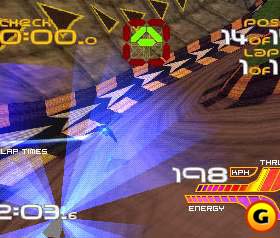
Techno Meets Wipeout XL
Psygnosis unveils Wipeout XL for the PlayStation. The kicking techno soundtrack includes contributions from marquee names such as The Chemical Brothers, The Prodigy, and Future Sound of London. You can choose the track you want to listen to as you race, a feature that would become more or less standard in extreme sports and racing games. The soundtrack is still available today from Amazon.
1997
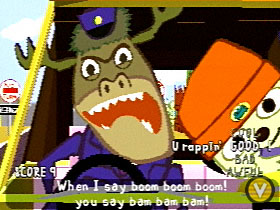
Enter PaRappa the Rapper
A top-selling hit in Japan, SCEA's PaRappa the Rapper hits the US. The bizarre premise and gameplay strike a chord with gamers thirsting for originality. As the insecure puppy PaRappa, you must master various styles of rap and hip-hop "singing" to impress the girl puppy you have a crush on. The music is both funky and funny, and the 2D painted paper-doll animation is distinctive. The soundtrack placed in GameSpot's Top 10 Video Game Soundtracks feature and appeared in the Readers' Choice vote as well. Though the sequel, Parappa 2, wasn't as good as the original, you can still get a good idea of what PaRappa was like in these movie clips.
1997
King of the Castlevania
Konami's superior 2D action title, Castlevania: Symphony of the Night, brings a slick and menacing new vibe to the soundtrack arena. Themes range from sinister heavy-metal riffs to grand, gothic classical tracks. Mixing classical and hard-rock compositions with the overarching gothic theme makes for a bloody good soundtrack. The voice acting is superior as well. The game disc holds a secret music track.
1998
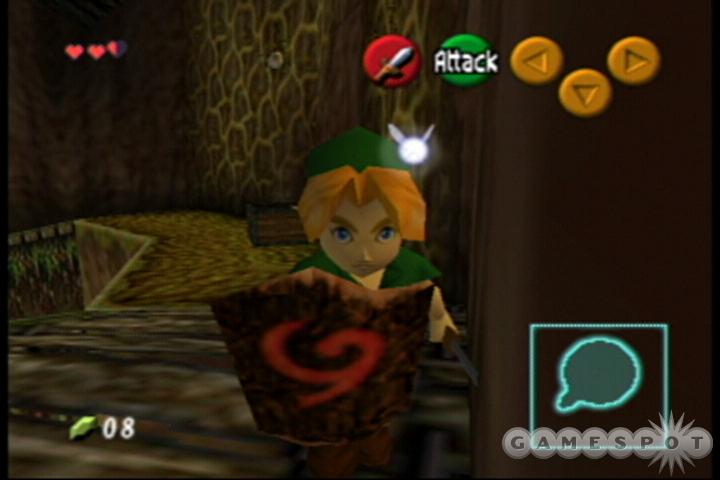
The Legend of Zelda Returns
The Legend of Zelda: Ocarina of Time debuts on the Nintendo 64. Besides boasting an amazing soundtrack, it's one of the first titles to feature music-making as part of its gameplay. In the game, you use the ocarina, a kind of flute, to teleport, open portals, or summon allies. There's also a musical puzzle in which you must follow the bass line of a song to make it through the Lost Woods.
1998
Let's Dance
Konami releases Dance Dance Revolution, probably the best known of the various "Benami" music games to hit arcades in Japan. It's safe to say that Dance Dance Revolution employs a novel form of player interface: As songs are played, the screen scrolls a pattern of arrows, which float to the top of the screen. When the arrows hit the action bar, you must step on corresponding arrows on the dance pad. The closer you are to the beat, the more points you score. Other Benami games include Guitar Freaks (play a guitar to music), DrumMania (play a drum kit peripheral), and HipHopMania (scratch turntables to music). The movies available at Bemanix.com show how creative DDR players can get with their moves.
1999
Enter the Dreamcast
The highly anticipated Dreamcast hits stores with its powerful 128-bit central processor and superintelligent sound processor, which has a 32-bit RISC CPU with 64 channels.
1999
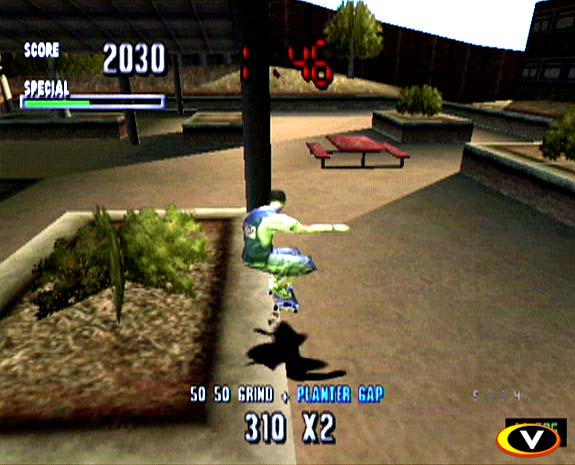
Skate Punks Unite!
Rockstar Games ups the ante in the licensed soundtrack department with the release of Thrasher: Skate and Destroy for the PlayStation. The old-school hip-hop lineup includes licensed favorites from Run DMC ("King of Rock"), Public Enemy ("Rebel Without a Pause"), Sugarhill Gang ("Rapper's Delight"), Grandmaster Flash ("White Lines"), Afrika Bambaataa ("Planet Rock"), and Eric B. and Rakim ("I Know You Got Soul"). The competing title, Tony Hawk's Pro Skater, goes alt-punk instead, with songs by the Dead Kennedys, Goldfinger, and Primus.
1999
A Word From the Subculture: The 8bitpeoples
A collective of artists sharing a common love for classic video games, the 8bitpeoples first came together in 1999 and have since recycled and repurposed classic video game music in one thousand and one different directions. Contributors have built entire series of records around sound samples from arcade games, and others play live shows incorporating classic home console hardware. It's great stuff, with a solid DIY ethic: Almost all the music is free and comes with downloadable cover art so that anyone can "manufacture" physical copies of the albums.
1999
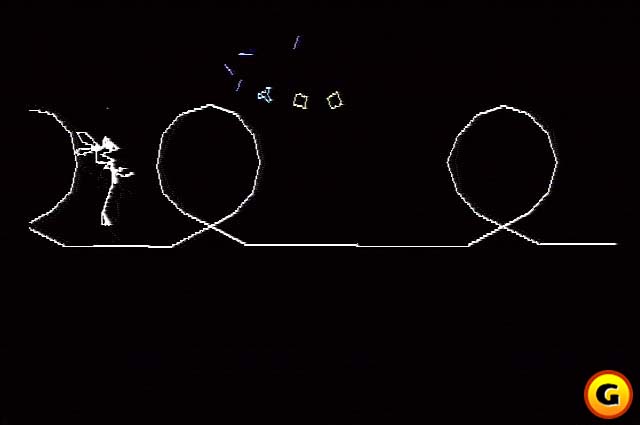
The DIY Soundtrack
Released in Japan and the UK only, the truly strange Vib-Ribbon takes the relationship of music and gameplay in an entirely different direction. Playing the rabbitlike creature Vibri, you must navigate levels that are themselves determined by the music track that's playing. Moody mope-rock equals slow and steady; frantic techno equals fast and furious. The kicker is that you can pop your own audio CDs into the PlayStation to generate entirely new levels based on the tempo of the music. It's a cult classic.
2000
The PlayStation 2 Hits Stores
Sony's much anticipated PlayStation 2 finally gets a limited US release on October 26, 2000. Along with the 128-bit Emotion engine CPU, the system boasts 48 channels of sound plus 2MB of dedicated sound memory. Significantly, the PS2 can also play DVD movies, another step toward the promised land of home entertainment convergence.
2000
The Hitmen of Budapest
The popular Hitman series from Io Interactive launched in 2000, bringing stealthy third-person assassination fun to the whole family. Io initiated what has since become an increasingly popular practice: commissioning an entire orchestra to score the action--in this case, the Budapest Symphony Orchestra. Everyone got along, evidently, and the BSO has gone on to score more Io games including subsequent Hitman titles and the Red scare strategy title Freedom Fighters. Hitman 2's soundtrack was also scored by the orchestra, and was every bit as good. Click below for a sound clip.
2000
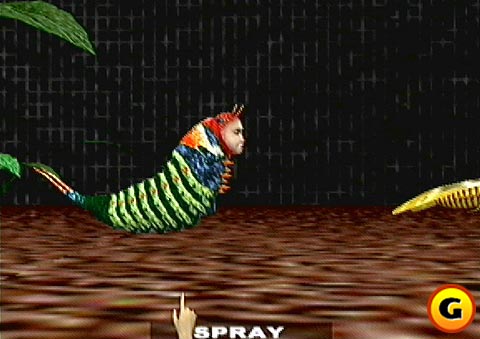
The Art of Conversation: Seaman
Sega's virtual-pet simulation for the Dreamcast, Seaman, invites you to actually converse with onscreen characters rather than simply yell at them ("Dammit, Lara, flip sideways--then shoot!"). The game employs sophisticated voice-recognition technology, which lets you gradually hold adult conversations with the little aqua critters on everything from politics to baseball. Check out GameSpot's very own Jeff Gerstmann harassing Seaman in this video
2000
Talk With the Pokémon, Walk With the Pokémon...
Nintendo releases a surprisingly fun entry into the voice-recognition arena with Hey You, Pikachu! for the Nintendo 64. The game is aimed squarely at the younger crowd but is endless fun for anyone with a short attention span. Using the included microphone and voice-recognition pad, you converse with and guide Pikachu through a literally endless series of miniquests by issuing voice commands.
2001-Today
2001
Game Boy Gets Funky
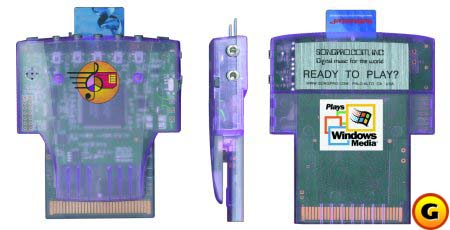
Nintendo releases a new adapter for the Game Boy Color, and it turns the handheld system into a portable MP3 player. The $80 unit, called the SongBoy, attaches to the top of the Game Boy and equips the system with 16MB of memory (expandable to 32MB) for playing MP3 music files.
2001
Video Game Radio
The proliferation of Internet radio--particularly commercial services like Live 365 and Shoutcast--brings the inevitable: radio stations dedicated to all video game music, all the time. Stations like WGDG Videogame Music are still broadcasting today, playing past and present soundtracks and themes as well as random sound effects, 1980s video game commercials, audio interviews with game makers, video game cartoon theme songs, and original trivia.
2001
Super Smash Bros. Melee Mix
It was bound to happen: The video game remix. Much in the way dance and techno producers have long remixed classic songs, the music designers behind Super Smash Bros. Melee dropped remixed original game soundtracks and character motifs into this hit GameCube title. It makes perfect sense: The Smash Bros. titles are predicated on the idea of pitting heroes from various game titles against one another. And so here we have Mario vs. Link vs. Donkey Kong vs. Kirby vs. Fox McCloud vs. Pikachu. It's a wildly creative sound design--some motifs are character-specific, some are location-specific, some are faithful to the original, and some are completely reimagined. And somehow it all works. Check out our SSBM movies page for a taste of the remixed classic songs.
2001
Tuning in Frequency
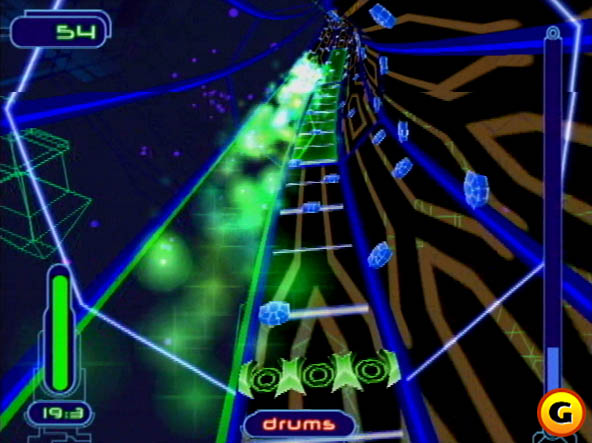
Another entrant in the rhythm game genre, Frequency (from American developer Harmonix) features an all-star techno lineup including BT, Crystal Method, Orbital, DJ Q-Bert, Powerman 5000, and Paul Oakenfold. Frequency is notable in that it reduces visuals to a near-abstract level (it looks a little like an updated version of the arcade classic Tempest) and provides a gameplay experience that is primarily aural. Look at it this way--without the music elements, Frequency would be a circa-1986 Mac puzzle game. Watch GameSpot's archived movies for a glimpse.
2001
Enter the Xbox
In November 2001, industry behemoth Microsoft entered the fray of home console gaming with the highly anticipated Xbox. Sound capability was a major focus, and Microsoft promised "movielike" sound from its 64-voice I3DL2 audio processor. With 64MB of unified memory and a 200MHz bandwidth to the CPU, sound designers were given an enormous amount of power to work with.
2001
Nintendo Strikes Back
Nintendo's GameCube also hits retail shelves in November, with its own array of heavy-duty sound specs. A specially dedicated 16-bit DSP sound processor powers 64 channels with a 48KHz sampling frequency.
2002
Magic Kingdom Hearts
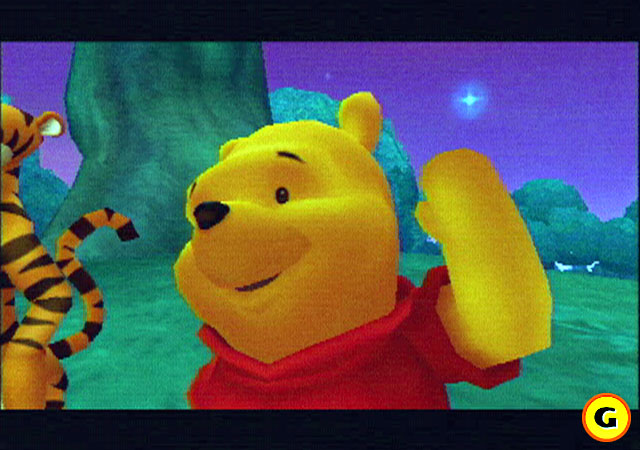
A surreal adventure into genre-splicing and cross-marketing, Kingdom Hearts combines the RPG elements and basic style of the Final Fantasy series with--weirdly--characters and locations from classic Disney movies. Characters such as Goofy and Donald, plus others from films such as The Nightmare Before Christmas,Hercules, Alice in Wonderland, and Peter Pan, are all represented with corresponding musical motifs. All of the important characters are voice-acted, with some being voiced by the actors who represented them in the movies. And the line between games and movies blurs just a little bit more… GameSpot's numerous movies are a great way to sample Kingdom Hearts.
2003
The Revolution Will Be Televised
It was really just a matter of time. Rhythm genre heavyweights Konami (Dance Dance Revolution) and Harmonix (Frequency) team up to deliver Karaoke Revolution, bringing the dubious recreational activity to home gamers. The game requires a USB microphone (included) and actually rewards players on their ability to sing in key--or, technically, within prescribed thresholds of timing and pitch. Song selection is a mix of karaoke classics and contemporary pop, and the lyrics scroll onscreen just like a pro karaoke machine. The funny thing is that the game can't actually recognize words, so as long as you're following the melody and changes, you can sing in French, Icelandic, pig Latin, whatever. Check out the available movies to see GameSpot editors as well as Jennifer Love Hewitt belting out tunes from the game.
2003
Going Underground With Tony Hawk
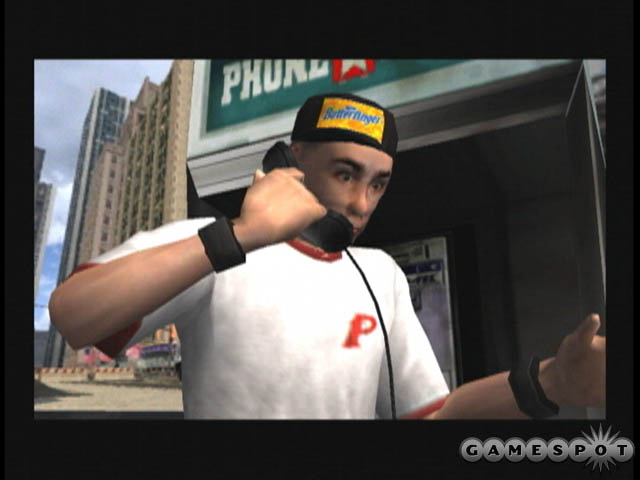
It's become expected that skateboard and other "extreme sport" titles will have rockin' soundtracks--in fact, it's become part of the genre definition itself. Tony Hawk's Underground is more or less the current state of the art. The soundtrack is huge, with more than 70 total songs sorted by genre. Artists include KISS, Deltron 3030, Murs, RA the Rugged Man, Bracket, NOFX, The Clash, and Sublime. You can actually disable entire genres, or individual tracks, depending on your taste and mood. Essentially, this suggests that one soundtrack is no longer enough and opens up the possibility that future games may offer multiple soundtracks in various genres. Check out GameSpot's movie footage for T.H.U.G.
2004
FF concert in LA
Square Enix announces that its first North American Final Fantasy orchestral concert will take place at the Walt Disney Concert Hall in Los Angeles in May. The concert will feature music from the Final Fantasy series of role-playing games, as performed by the acclaimed Los Angeles Philharmonic and the Los Angeles Master Chorale. While similar game music concerts have been previously performed in Japan and Europe, this marks the first major North American symphonic performance exclusively composed of video game compositions. Concert hall vendors immediately announced plans to switch concessions from wine and cheese to Doritos and Coke.
2004...and Beyond!
Next-Generation Platforms on the Horizon
Details on at least four highly anticipated new game platforms begin to circulate in 2004. Sony's PlayStation Portable (PSP)--designed to compete with Nintendo's Game Boy--is slated to hit Japan in late 2004 and global markets in early 2005. The handheld will feature 3D PCM sound with stereo speakers and headphone output. Next-gen home console successors the Xbox 2, GameCube 2, and PlayStation 3 are also expected in 2005/2006. Specification details are little more than rumors as of now, but all three are expected to compete ferociously to be first to market, which could mean technical concessions. Stay tuned.
Who's Who in Video Game Music
Hirokazu Ando - Super Smash Bros. series
Taro Bando - Super Mario Kart, F-Zero X, F-Zero GC
Robin Beanland - Killer Instinct, Killer Instinct 2, Conker's Bad Fur Day, GoldenEye (video game), Perfect Dark
Masashi Hamauzu - SaGa Frontier 2, Tobal No. 1, Final Fantasy X
Tadashi Ikegami - Super Smash Bros Melee
Jun Ishikawa - Kirby series, Alcahest
Kenji Ito - SaGa series, Seiken Densetsu 1, Koi ha Balance: Battle of Lovers, Tobal No. 1, Shinyaku Seiken Densetsu
Yasuhiro Kawasaki - Illusion of Gaia
Grant Kirkhope - GoldenEye 007, Perfect Dark
Koji Kondo - Super Mario Bros. series, Legend of Zelda series, Star Fox series, Yume KouJou Doki Doki Panic, New Demon Island, The Mysterious Castle of Murasame
Yuzo Koshiro - ActRaiser, ActRaiser 2, Ys series
Michael Land - Monkey Island series, Star Wars games, SimCity 4
Tsukasa Masuko - Shin Megami Tensei series, Blazeon, Kabuki Rocks (with Ichiban Ujigami), Kyuuyaku Megami Tensei
Noriko Matsueda - Bahamut Lagoon, Chrono Trigger, Tobal No. 1, The Bouncer, Final Fantasy X-2
Toru Minegishi - Legend of Zelda: Majora's Mask, Legend of Zelda: The Wind Waker
Yasunori Mitsuda - Chrono Trigger, Front Mission: Gun Hazard (with Nobuo Uematsu and Junya Nakano), Radical Dreamers, Chrono Cross, Xenogears, Legaia 2: Duel Saga, Shadow Hearts, Xenosaga
Junya Nakano - Front Mission: Gun Hazard, Tobal No. 1, Final Fantasy X
Akito Nakatsuka - Zelda II: The Adventure of Link
Masanori Oodachi - Castlevania series
Nakano Ritsuki (later known as Rikki) - Singer for Final Fantasy X main theme Suteki Da Ne
Hitoshi Sakimoto - Final Fantasy Tactics, Final Fantasy Tactics Advance, Final Fantasy XII
Motoi Sakuraba - Tales of Phantasia, Tenshi no Uta: Shiroki Tsubasa no Inori, Zan 2 Spirits, Zan 3 Spirit, Star Ocean series, Golden Sun series
Ryuji Sasai - Final Fantasy: Mystic Quest, Bushido Blade 2, Jikkuno Hasha SaGa 3 (Final Fantasy Legend III), Rudora no Hihou
Tsuyoshi Sekito - All-Star Pro Wrestling series, Brave Fencer Musashi, Final Fantasy II (Wonderswan Color and Final Fantasy Origins versions), Chrono Trigger (PlayStation version)
Yoko Shimomura - Front Mission series, Live-A-Live, Super Mario RPG (with Nobuo Uematsu and Koji Kondo), Chocobo Stallion, Parasite Eve, Kingdom Hearts
Koichi Sugiyama - Dragon Quest series, E.V.O.: Search for Eden, Hanjyuku Hero series, Itadaki Street 2: Neon Sign ha Bara Iro ni, Monopoly (Japanese version), Syvalion
Keiichi Suzuki - Earthbound
Yukehide Takekawa - Soul Blazer
Tommy Tallarico - Earthworm Jim, Spot Goes to Hollywood, MDK, Maximo
Hirokazu "Hip" Tanaka - Balloon Fight, Earthbound, Kid Icarus, Metroid, Super Mario Land; president of Pokémon Co.
Kazumi Totaka - Super Mario Land 2: Six Golden Coins, Yoshi's Story, Doubutsu no Mori, Luigi's Mansion, Pokémon Ruby and Sapphire
Yuka Tsujiyoko - Fire Emblem series, Paper Mario
Nobuo Uematsu - Final Fantasy series, Apple Town Monogatari, Cruise Chaser Blassity, King's Knight, DynamiTracer, Front Mission: Gun Hazard (with Yasunori Mitsuda and Junya Nakano), Ehrgeiz, Makaitoushi SaGa (Final Fantasy Legend I), SaGa 2 Hihou Densetsu (Final Fantasy Legend II), Romancing SaGa 1 and 2, Chrono Trigger (with Yasunori Mitsuda and Noriko Matsueda), Super Mario RPG (with Yoko Shimomura and Koji Kondo)
David Wise - Donkey Kong Country series, Jet Force Gemini, Star Fox Adventures
Kenji Yamamoto - Super Metroid
Michiru Yamane - Twinbee (NES), Castlevania: Bloodlines, Castlevania: Symphony of the Night, Castlevania: Harmony of Dissonance (with Soshiro Hokkai), Castlevania: Aria of Sorrow (with Soshiro Hokkai and Takashi Yoshida), Castlevania: Lament of Innocence, Gungage (with Sota Fujimori), Genso Suikoden III (with Tadashi Yoshida and Masahiko Kimura)
Got a news tip or want to contact us directly? Email news@gamespot.com
Join the conversation